Welcome to the latest edition of GEEARS’ Georgia Voter Guide on Early Childhood! Every major election, GEEARS publishes this nonpartisan guide to help Georgians of all political viewpoints make informed decisions at the polls.
State and federal policy decisions shape everyday realities for Georgia families— whether a mother can find reliable, affordable child care so she can keep her job; whether a baby can see his pediatrician for every check-up and every ear infection; and whether a toddler can start her morning with a full belly and the promise of a nurturing, literacy-rich day at preschool.
This fall, voters have the opportunity to promote a Georgia that centers its youngest children and strengthens the systems that help them thrive today and in the future. As parents, caregivers, educators, business leaders, and community members, we all have a responsibility to educate ourselves about elected offices and candidates’ platforms, helping to build a Georgia where every young child can thrive.
In 2026, the stakes are higher than ever.
Georgia’s child care challenges are so significant that each year, they lead to more than $2.5 million in lost economic activity.
The number of young children—the population already most vulnerable to eviction—experiencing homelessness in Georgia is on the rise.
The number of uninsured Georgia children has also risen—at a rate higher than the national average.
The 2026 election marks an important moment for Georgia. Voters will elect a new governor for the first time in eight years, choose new statewide leaders, and fill every seat in the Georgia General Assembly. These leaders will make decisions that affect early learning, child care, health, housing, economic opportunity, and the well-being of young children for years to come.
We know that getting to the polls isn’t always easy. Research shows that parents with young children are less likely to vote, but your voice matters. Making a voting plan, attending candidate forums or town halls, and asking candidates where they stand on issues affecting young children are all meaningful ways to participate.
Our youngest children can’t vote—but we can be their voice.
This guide will help you:

Explore voter resources, election information, and key dates.

Learn about the offices and issues that affect young children and families.

Hear directly from candidates about their priorities for Georgia’s youngest children.
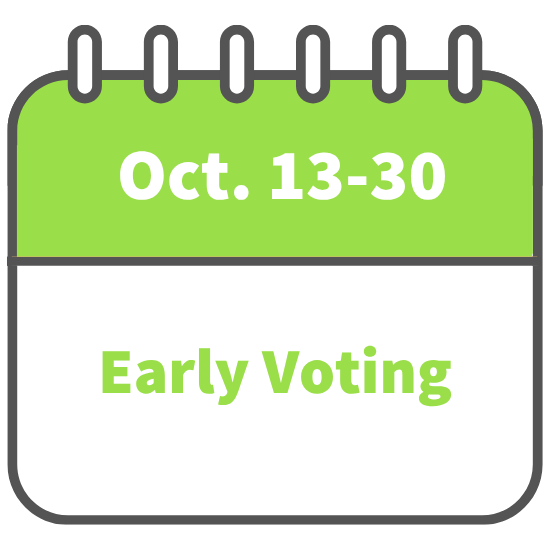
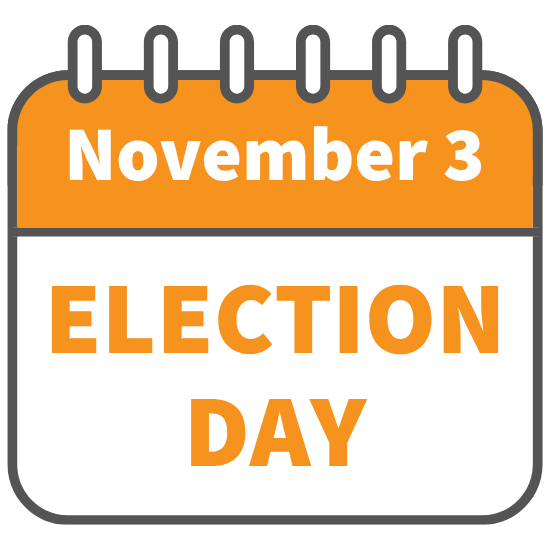
Your vote helps shape Georgia’s future. We hope this guide inspires you to learn, ask questions, and most importantly, VOTE on (or before!) November 3rd.
Our children are our future, but if they don’t have basic necessities—such as food, clean water, health care, and safe places to live and learn—what kind of future will they have?
- Snellville Mother=

One of the biggest challenges I face as a parent of young children is finding and affording reliable child care. As a single mother of three, child care isn’t optional for me—it’s the only way I can go to work and provide for my family.
- Savannah Mother

Use My Voter Page to check:
- Voter registration status and information
- Mail-in application and ballot status
- Poll locations
- Early voting locations
- Sample ballot for the upcoming election
Use the Online Voter Registration System to:
- Check and see if you are registered to vote
- Register to vote by filling out an online application or printing one to mail, fax, or deliver in person
- Make changes to your current registration information
Absentee Voting
- Use Georgia’s My Voter Page to track the status of your application and ballot. After you log in to My Voter Page, this information can be found by clicking “Click Here for Absentee Ballot Status” in the lower left area of the screen.
- Voting as early as possible, particularly if you are voting by absentee ballot, helps make sure that your vote gets counted. You do not need to provide a reason to vote by absentee ballot in Georgia.
- Even if you received an absentee ballot for the pimary election in May, you must complete a new application in order to receive a ballot for the general election.
- Request your ballot as soon as possible, as it may take a while to process. You must complete and upload a signed absentee ballot application online through the Georgia Secretary of State’s (SOS) Absentee Ballot Request Portal.
- Once you receive your ballot, follow the provided instructions to complete it and return it by mail (or hand-deliver to an absentee ballot drop box or your county election office). Absentee ballots must arrive at your county election office before the polls close on Election Day.*
*Unless you are a military or overseas voter in which case your ballot must arrive within three days of the election.
When we support young children early, we build healthier communities, stronger schools, and a brighter future for everyone.
- Brandy, a Columbus Early Childhood Changemaker