Our votes impact our children’s futures–and on November 3rd, we have the opportunity to make our voices heard.
Below is a list of questions to ask candidates for office on how they plan to support children, families, and the people who care for them. Ask candidates these questions at events, on social media, or contact them via their website. In addition to the questions, this page includes key early childhood data and the voices of key stakeholders to provide context to the issues. Click here for a printable list of these questions.
For the upcoming election, GEEARS asked candidates for the Georgia House and Senate, U.S. House, and select statewide offices how they would help make Georgia the best place to raise young children. More than 100 candidates responded!
Click here to see their responses.
What do you think are the biggest challenges facing families with young children?
Our biggest challenge by far is the cost of housing, healthcare, and insurance. We moved hoping for a better chance and life, but are drowning. We made good choices, did all the things we were told to do, but still cannot provide a good life for our son. We make slightly over the threshold for any type of support.
- Macon MotherWhat skills and experiences have prepared you to be a champion for young children and their families?
Our biggest challenge as a family is the cost of child care...We don't qualify for any assistance. We want to grow our family, but the cost of childcare for two children (with one being an infant) is essentially my husband's monthly salary.
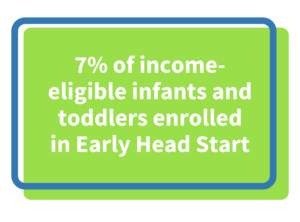
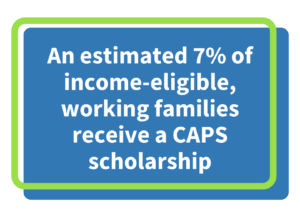
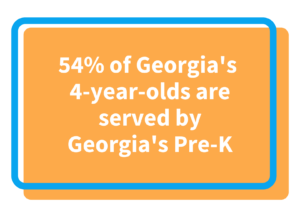
- Auburn MotherChild care is expensive, making up over a third of a low-income family’s budget. Yet access to child care assistance is limited. How will you ensure that families have access to affordable early learning?

Navigating services—whether it’s early intervention, health care, or developmental supports—can feel overwhelming and fragmented. I’ve spent countless hours on waitlists, filling out paperwork, and advocating just to make sure my child gets what they need to thrive.
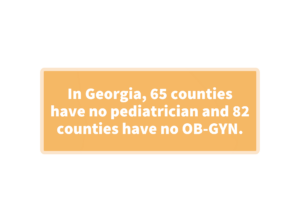
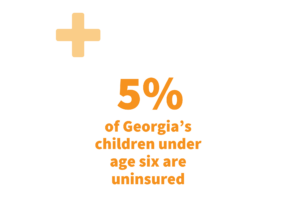
- Lueisha, an Augusta Early Childhood ChangemakerGeorgia ranks 40th in overall child health, according to the Annie E. Casey Foundation. How will you increase access to affordable, consistent health care for Georgia’s children and families?
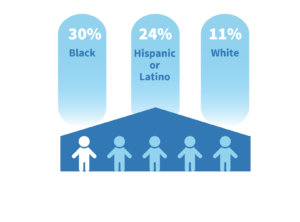
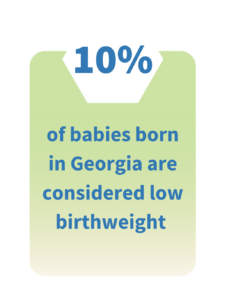
Key Data on Maternal and Child Health
Many families are one financial crisis away from catastrophe. What policies will you support to protect families with young children from the rising costs of food and housing?
No four-year-old child should have to leave school and sleep in a car. No mother should have to look at her sick child and pray that they will be okay because the child does not have health insurance and she cannot afford a visit to the doctor.
- Conyers EducatorChallenges like food insecurity, outdated infrastructure, and crime have made some Georgia communities unstable, especially for families with young children. How will you help create safe and stable communities where young children and families thrive?
Despite having a steady job and earning what is considered semi-decent income, I continue to face barriers because people in my income range are often denied housing assistance while still being unable to afford rising rent costs, security deposits, and strict income requirements. I hope for a community and a state that genuinely support young children and their families by ensuring access to safe, stable, and affordable housing in all neighborhoods.
- East Point MotherThe March of Dimes Report Card, which factors in measures of infant and maternal health such as preterm births and infant mortality, gave Georgia a F in 2025. What will you do to support healthy pregnancies, healthy births, and families during a child’s first year of life?
The child care workforce is among the lowest-paid in Georgia, with educators outside of publicly funded Pre-K earning just $14.50 per hour on average, contributing to significant workforce shortages. How will you support this crucial workforce that educates Georgia’s youngest children and allows parents to go to work?
Talented teachers leave because they cannot afford rent or healthcare. Centers close because reimbursement rates do not cover actual costs. Parents struggle to balance work and affordable, reliable care.
- Atlanta Educator