GEEARS and PAACT are working to ensure that every child in Atlanta has access to high-quality early education and the supports families need to thrive. Local leaders play a critical role in shaping the policies and investments that impact young children, educators, and caregivers every day. The decisions made at City Hall affect everything from child care access to neighborhood development.
Voting in local elections is one of the most powerful ways to influence the future of your community.
We invited all candidates for Atlanta Mayor, City Council, and Council President to share their views on early childhood issues. Their responses reflect how they plan to support young children, families, and educators across our city. Explore their answers below to make informed decisions this election season.
Note: As a 501(c)(3) nonprofit, GEEARS does not endorse any candidate. Our mission is to educate the public and candidates about the issues that impact young children and their families.
How it works:
- All Atlanta voters will decide who wins the City Council Post 1, Post 2, and Post 3 At-Large races.
- The winners of the District 1-12 races will be decided exclusively by voters in each district. Find your district here.
- Questions about your voter registration status, polling place location and/or hours of operation? Click here.
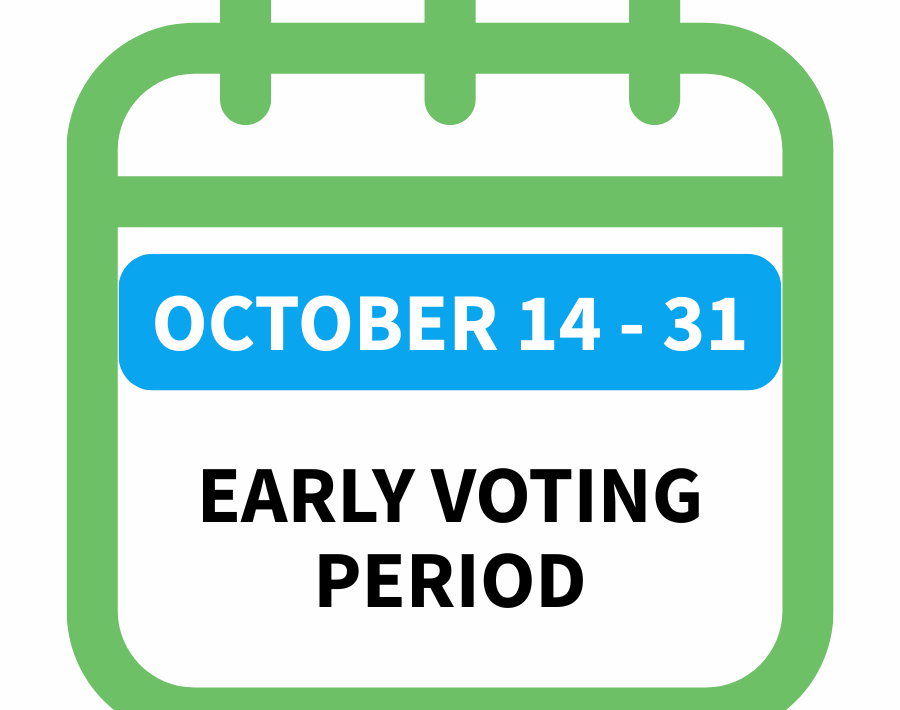
KEY ELECTION DATES


What could local elected officials to expand access to early learning and support the healthy development of Georgia’s youngest children?
- Use the “bully pulpit” to raise awareness and build support for early childhood issues.
- Allocate funds to support early childhood programs and initiatives.
- Model best practices as an employer and implement family-friendly policies such as flexible time, child care supports, paid leave, etc. Examples include:
- Partner to offer on-site, high-quality and/or subsidized child care for employees.
- Provide flexibility for parents and caregivers to attend children’s well visits.
- Provide gap scholarships for essential service employees and families.
- Support a comprehensive, well-funded early childhood system that connects health, education, and child welfare.
- Communicate and collaborate with constituents and community partners to understand and address the needs of children and families.
- Understand, monitor, and respond to the indicators of child and family well-being in local communities.
*Candidate responses are published as they are received and not edited for clarity, spelling, punctuation, or grammar. Candidates are listed in alphabetical order by last name. The GEEARS team did their best to reach any qualified candidate running for mayor or city council in the upcoming November general election. However, publicly available contact information or social media accounts were not available for all candidates. If you are a candidate for one of the races listed below, please send an email to Director of Communications at mjackson@geears.org.
Campaign website
How would you work with Atlanta Public Schools, Fulton and DeKalb Counties, community partners, and state leaders to ensure a coordinated strategy for supporting young children and their families?
The candidate did not respond to requests to submit a response to the question posed to all candidates.
How do you see investments in young children and their families fitting into Atlanta’s long-term economic development and workforce strategy? What strategies would you use to fund and sustain initiatives that support the City’s young children and families?
The candidate did not respond to requests to submit a response to the question posed to all candidates.
Atlanta’s young children need access to high-quality education, health care, housing, and spaces for their families to work and play. How does Atlanta already support young children and families? What could be done better?
The candidate did not respond to requests to submit a response to the question posed to all candidates.
Campaign website
How do you see investments in young children and their families fitting into Atlanta’s long-term economic development and workforce strategy? What strategies would you use to fund and sustain initiatives that support the City’s young children and families?
Firstly, I am assigning a One Humanity leader to chamption non-profit and education coordination across the city, which I will offically annouce October 7th. She will be a key coordination point across the city with me in this areas.
As a father, young children are very precious to me. They are our future and their development, learning and spirituality are all important to our collective future. In my 6 point plan, I reveal a lot of my intentions regarding education. I want to revitalize education with AI and tech joint ventures across our city and with the state.
I have other ideas like entrepreneurial curriculum, incentivizing teachers with outcome-based pay, and promoting freedom of choice to encourage school competitions (with a “gleaning bonus” for all students in the lower 10% of annual state-reported income and those with disabilities).
For young children, I am already very excited by the work of PAACT and would want to further its work.
I am somewhat obsessed lately with understanding the Universal Child Care of New Mexico, but I believe that it is lacking in judiciousness. I will always support programs that incentivize parents as primary care givers age 1 to 5, as my experience with my own children is that there is none better. I’d want to investigate accrediting services for saftey and quality, and look at benefits that increase for those 10% with lower income (gleaning bonuses) if we were to consider such measures in our city or state.
Atlanta’s young children need access to high-quality education, health care, housing, and spaces for their families to work and play. How does Atlanta already support young children and families? What could be done better?
Child development ages 1 to 5 is the most fundamental time to establish the character and excellence potential of a child. Development starts the moment we exit the womb – and that makes early childhood a key time for foundations that will develop the economy and cultural fabric of the future.
Funding is curious as it is usually a function of taxes. Rather than increase taxes, I belive we can fund more in Atlanta thru 3 inititatives: 1) Remove corruption: Atlanta has had the same system in place for years with many hands in the money 2) Efficiency of Government: I believe AI/tech can remove significant costs to free up more dollars across education, city sercies, etc. 3) Efficienty of non profit structure – I am assigning a One Humanity leader for this very reason. We need to start streamlining servcies across state and local initiaitves.
Finally, I believe this generation (and it is my desire that we in Atlanta) must lead the charge in creating a Responsible Capitalism. Not just a capialism that asks our wealthiest to be responsible and protects us from their unbridled greed, but also one that anticipates and keeps our poorest responsible. One must only look at, for example, when is it irresponsible to have a second or third child. If we are to progress our society, we must be willing to have the conversations about protecting the collective from our poorest’s mistakes, and protecting them from those that would economically ensnare them.
Atlanta’s young children need access to high-quality education, health care, housing, and spaces for their families to work and play. How does Atlanta already support young children and families? What could be done better?
There are several orgainzations in this space today. PAACT, Atlanta Children’s Day Shelters, Feed My Lambs, Health Family Group, Sheltering Arms, YMCA, Our House, CCFD, CAPS, and many more which all do different parts and pieces along with other state programs. There are many challenges to this network of solutions.
Citizens face coverage challenges, variablity in programs, child care deserts, integration and coordination issues and challenges for continous improvement. This is why my concept of a One Humanity leader is critical as well as workign with the nonprofits, city and Private JVs to create technology and metrics is essential. We must tackle our services like one coordinated business. We may need to close some servies to fund better ones, look at how we can amplify collaboration, seek synergies, etc to get the economies of scale and coordination that will come with the JVs. Private- public partnership IS the solution and I am glad that PAACT is already established in this manner. If we build incredible plans for early child care, comprehensively, and optimize them in Atlanta, we can sell our solutions ot the world, and monetize them to fund our future expansion and improvement.
No campaign website found.
How would you work with Atlanta Public Schools, Fulton and DeKalb Counties, community partners, and state leaders to ensure a coordinated strategy for supporting young children and their families?
The candidate did not respond to requests to submit a response to the question posed to all candidates.
How do you see investments in young children and their families fitting into Atlanta’s long-term economic development and workforce strategy? What strategies would you use to fund and sustain initiatives that support the City’s young children and families?
The candidate did not respond to requests to submit a response to the question posed to all candidates.
Atlanta’s young children need access to high-quality education, health care, housing, and spaces for their families to work and play. How does Atlanta already support young children and families? What could be done better?
The candidate did not respond to requests to submit a response to the question posed to all candidates.
Campaign website
How would you work with Atlanta Public Schools, Fulton and DeKalb Counties, community partners, and state leaders to ensure a coordinated strategy for supporting young children and their families?
The candidate did not respond to requests to submit a response to the question posed to all candidates.
How do you see investments in young children and their families fitting into Atlanta’s long-term economic development and workforce strategy? What strategies would you use to fund and sustain initiatives that support the City’s young children and families?
The candidate did not respond to requests to submit a response to the question posed to all candidates.
Atlanta’s young children need access to high-quality education, health care, housing, and spaces for their families to work and play. How does Atlanta already support young children and families? What could be done better?
The candidate did not respond to requests to submit a response to the question posed to all candidates.
Campaign website
How would you work with Atlanta Public Schools, Fulton and DeKalb Counties, community partners, and state leaders to ensure a coordinated strategy for supporting young children and their families?
How do you see investments in young children and their families fitting into Atlanta’s long-term economic development and workforce strategy? What strategies would you use to fund and sustain initiatives that support the City’s young children and families?
I believe economic development is not about buildings and companies: it’s about families and children. And that the needs and the voices of a city’s families and children should be at the center of our economic development strategy. The long-term strategy for this city must draw a direct line for the people who are here today to see themselves in Atlanta tomorrow.
The strategies that I would use to fund and sustain initiatives are: (1) ensuring that the needs and voices of families and children are not an afterthought when it comes to our City budget; but instead, they must be intentionally included in the budgeting process. (2) I would make sure that the many task forces and committees that the City has that impact families and children have the appropriate representation and partnerships in place for success. (3) Cities can be a tremendous ally and support to help raise national and State and philanthropic dollars–– this is something I’ve done throughout my career, and I would leverage that skill set to ensure that we are raising the dollars to invest in initiatives with demonstrable results for young children andfamilies.
Atlanta’s young children need access to high-quality education, health care, housing, and spaces for their families to work and play. How does Atlanta already support young children and families? What could be done better?
Atlanta has made progress in supporting young children and families through Pre-K programs, libraries, parks, recreation centers, and partnerships with nonprofits that provide health and social services. Federally qualified health centers and children’s hospitals are also important resources.
Still, access is uneven. Affordable child care is scarce, housing costs are displacing families, and too many neighborhoods lack safe parks, sidewalks, and consistent health services. We can do better by putting children and families at the center of every policy decision. That means expanding affordable housing connected to quality schools and child care, investing in universal access to early childhood and afterschool programs, and ensuring safe routes to schools and parks. Strengthening partnerships with health providers to bring preventive care into schools and community hubs is also essential.
As Council President, I will fight to make Atlanta a city where every child has the chance to thrive.
Campaign website
How would you work with Atlanta Public Schools, Fulton and DeKalb Counties, community partners, and state leaders to ensure a coordinated strategy for supporting young children and their families?
The candidate did not respond to requests to submit a response to the question posed to all candidates.
How do you see investments in young children and their families fitting into Atlanta’s long-term economic development and workforce strategy? What strategies would you use to fund and sustain initiatives that support the City’s young children and families?
The candidate did not respond to requests to submit a response to the question posed to all candidates.
Atlanta’s young children need access to high-quality education, health care, housing, and spaces for their families to work and play. How does Atlanta already support young children and families? What could be done better?
The candidate did not respond to requests to submit a response to the question posed to all candidates.
Campaign website
How would you work with Atlanta Public Schools, Fulton and DeKalb Counties, community partners, and state leaders to ensure a coordinated strategy for supporting young children and their families?
A significant number of families with children in Atlanta Public Schools (APS) are economically disadvantaged, making living-wage employment and workforce training opportunities essential for parents and older youth alike. In 2024, I sponsored legislation to expand the City’s youth summer employment program into a year-round initiative. Beginning in Fall 2025, the City will pilot this expansion to provide continuous access to employment opportunities for young people who need them most.
I firmly believe APS should likewise move toward year-round schooling with robust support services. This model would help prevent learning loss, ensure consistent access to nutritious meals and wraparound services, and strengthen partnerships with the City of Atlanta’s Parks and Recreation, Cultural Affairs, and other programs for student engagement and enrichment.
Year-round schooling, coupled with sustained programmatic support, relieves parents who cannot afford summer childcare while keeping students safe, engaged, and productive. Each summer, the City braces for an uptick in juvenile crime when too many youth lack constructive opportunities. Providing continuous learning and meaningful activities is not only an educational strategy—it is a public safety imperative and an investment in Atlanta’s future.
How do you see investments in young children and their families fitting into Atlanta’s long-term economic development and workforce strategy? What strategies would you use to fund and sustain initiatives that support the City’s young children and families?
Atlanta’s young children need access to high-quality education, health care, housing, and spaces for their families to work and play. How does Atlanta already support young children and families? What could be done better?
Campaign website
How would you work with Atlanta Public Schools, Fulton and DeKalb Counties, community partners, and state leaders to ensure a coordinated strategy for supporting young children and their families?
The candidate did not respond to requests to submit a response to the question posed to all candidates.
How do you see investments in young children and their families fitting into Atlanta’s long-term economic development and workforce strategy? What strategies would you use to fund and sustain initiatives that support the City’s young children and families?
The candidate did not respond to requests to submit a response to the question posed to all candidates.
Atlanta’s young children need access to high-quality education, health care, housing, and spaces for their families to work and play. How does Atlanta already support young children and families? What could be done better?
The candidate did not respond to requests to submit a response to the question posed to all candidates.
Campaign website
How would you work with Atlanta Public Schools, Fulton and DeKalb Counties, community partners, and state leaders to ensure a coordinated strategy for supporting young children and their families?
Atlanta has the worst economic mobility in the nation, and the path to changing that begins with early education. Too often, the City, APS, Fulton, and DeKalb counties, and community partners work in isolation. As a Councilmember, I will push for a coordinated strategy that brings these partners together — aligning housing, transit, and zoning decisions with the needs of families and childcare providers.
By collaborating with APS and counties, supporting community-based programs, and advocating with state leaders for more Pre-K slots and childcare funding, we can give every child a strong start. When families have affordable, high-quality early learning options, we break cycles of poverty, strengthen neighborhoods, and build the foundation for economic mobility across Atlanta.
How do you see investments in young children and their families fitting into Atlanta’s long-term economic development and workforce strategy? What strategies would you use to fund and sustain initiatives that support the City’s young children and families?
Investing in young children and their families is not just social policy — it’s one of the smartest economic development strategies Atlanta can pursue. Cities with strong early learning systems see stronger workforces, healthier communities, and greater long-term prosperity. Ensuring families have affordable, high-quality childcare allows parents to stay in the workforce, helps employers attract and retain talent, and ensures children enter kindergarten ready to succeed.
If elected, I will work to make early childhood a core part of Atlanta’s economic development strategy. That means leveraging federal and state funding, aligning City housing and zoning decisions with childcare access, and partnering with APS, Fulton and DeKalb counties, and local providers to expand Pre-K and early learning slots. I also support exploring public-private partnerships and development incentives that encourage new childcare facilities, as well as housing supports for early educators so they can afford to live in the neighborhoods they serve.
By connecting early childhood investments directly to our workforce and economic future, Atlanta can build a city where every child has a strong start and every family has the tools to thrive. This is how we turn the tide on generational poverty and create an economy that works for all Atlantans.
Atlanta’s young children need access to high-quality education, health care, housing, and spaces for their families to work and play. How does Atlanta already support young children and families? What could be done better?
The City can do better by aligning its housing, zoning, and transit decisions with the needs of young families – ensuring that new developments include childcare facilities, that early educators can afford to live where they work, and that families have safe sidewalks, parks, and reliable transit to connect them to opportunities.
We must also expand partnerships with APS, Fulton and DeKalb counties, and state leaders to increase the number of affordable Pre-K and childcare slots, and invest in wraparound services that support children’s health and development. Atlanta’s long-term success depends on creating a city where every child, no matter their zip code, has access to high-quality education, housing, health care, and safe spaces to grow.
Campaign website
How would you work with Atlanta Public Schools, Fulton and DeKalb Counties, community partners, and state leaders to ensure a coordinated strategy for supporting young children and their families?
The candidate did not respond to requests to submit a response to the question posed to all candidates.
How do you see investments in young children and their families fitting into Atlanta’s long-term economic development and workforce strategy? What strategies would you use to fund and sustain initiatives that support the City’s young children and families?
The candidate did not respond to requests to submit a response to the question posed to all candidates.
Atlanta’s young children need access to high-quality education, health care, housing, and spaces for their families to work and play. How does Atlanta already support young children and families? What could be done better?
The candidate did not respond to requests to submit a response to the question posed to all candidates.
Campaign website
How would you work with Atlanta Public Schools, Fulton and DeKalb Counties, community partners, and state leaders to ensure a coordinated strategy for supporting young children and their families?
The candidate did not respond to requests to submit a response to the question posed to all candidates.
How do you see investments in young children and their families fitting into Atlanta’s long-term economic development and workforce strategy? What strategies would you use to fund and sustain initiatives that support the City’s young children and families?
The candidate did not respond to requests to submit a response to the question posed to all candidates.
Atlanta’s young children need access to high-quality education, health care, housing, and spaces for their families to work and play. How does Atlanta already support young children and families? What could be done better?
The candidate did not respond to requests to submit a response to the question posed to all candidates.
Campaign website
How would you work with Atlanta Public Schools, Fulton and DeKalb Counties, community partners, and state leaders to ensure a coordinated strategy for supporting young children and their families?
The candidate did not respond to requests to submit a response to the question posed to all candidates.
How do you see investments in young children and their families fitting into Atlanta’s long-term economic development and workforce strategy? What strategies would you use to fund and sustain initiatives that support the City’s young children and families?
The candidate did not respond to requests to submit a response to the question posed to all candidates.
Atlanta’s young children need access to high-quality education, health care, housing, and spaces for their families to work and play. How does Atlanta already support young children and families? What could be done better?
The candidate did not respond to requests to submit a response to the question posed to all candidates.
Campaign website
How would you work with Atlanta Public Schools, Fulton and DeKalb Counties, community partners, and state leaders to ensure a coordinated strategy for supporting young children and their families?
The candidate did not respond to requests to submit a response to the question posed to all candidates.
How do you see investments in young children and their families fitting into Atlanta’s long-term economic development and workforce strategy? What strategies would you use to fund and sustain initiatives that support the City’s young children and families?
The candidate did not respond to requests to submit a response to the question posed to all candidates.
Atlanta’s young children need access to high-quality education, health care, housing, and spaces for their families to work and play. How does Atlanta already support young children and families? What could be done better?
The candidate did not respond to requests to submit a response to the question posed to all candidates.
Campaign website
How would you work with Atlanta Public Schools, Fulton and DeKalb Counties, community partners, and state leaders to ensure a coordinated strategy for supporting young children and their families?
The candidate did not respond to requests to submit a response to the question posed to all candidates.
How do you see investments in young children and their families fitting into Atlanta’s long-term economic development and workforce strategy? What strategies would you use to fund and sustain initiatives that support the City’s young children and families?
The candidate did not respond to requests to submit a response to the question posed to all candidates.
Atlanta’s young children need access to high-quality education, health care, housing, and spaces for their families to work and play. How does Atlanta already support young children and families? What could be done better?
The candidate did not respond to requests to submit a response to the question posed to all candidates.
Campaign website
How would you work with Atlanta Public Schools, Fulton and DeKalb Counties, community partners, and state leaders to ensure a coordinated strategy for supporting young children and their families?
The candidate did not respond to requests to submit a response to the question posed to all candidates.
How do you see investments in young children and their families fitting into Atlanta’s long-term economic development and workforce strategy? What strategies would you use to fund and sustain initiatives that support the City’s young children and families?
The candidate did not respond to requests to submit a response to the question posed to all candidates.
Atlanta’s young children need access to high-quality education, health care, housing, and spaces for their families to work and play. How does Atlanta already support young children and families? What could be done better?
The candidate did not respond to requests to submit a response to the question posed to all candidates.
Campaign website
How would you work with Atlanta Public Schools, Fulton and DeKalb Counties, community partners, and state leaders to ensure a coordinated strategy for supporting young children and their families?
The candidate did not respond to requests to submit a response to the question posed to all candidates.
How do you see investments in young children and their families fitting into Atlanta’s long-term economic development and workforce strategy? What strategies would you use to fund and sustain initiatives that support the City’s young children and families?
The candidate did not respond to requests to submit a response to the question posed to all candidates.
Atlanta’s young children need access to high-quality education, health care, housing, and spaces for their families to work and play. How does Atlanta already support young children and families? What could be done better?
The candidate did not respond to requests to submit a response to the question posed to all candidates.
Campaign website
How would you work with Atlanta Public Schools, Fulton and DeKalb Counties, community partners, and state leaders to ensure a coordinated strategy for supporting young children and their families?
Income equality and wealth mobility are concerns in Atlanta. There are many ways we can tackle these challenges – from housing affordability to fresh food access to reliable transit. But the closest thing we have to a silver bullet is ensuring access to early childhood education and child care. The data shows that kids who start from behind have a difficult time catching up, managing social and emotional interactions, and have a lowered commitment to their education. Without the strong early foundation, children not only struggle with early reading and math outcomes, but also markers later in life like graduation rates, incarceration rates, employment success, and earnings growth.
Our state came together in a pioneering way to build the HOPE scholarship program. We need to re-create that effort for early learning. We need everyone at the table from state and local government partners to providers to organizations like GEEARS to design a program that is sustainable, effective, and a national standard for building successful communities.
If elected, I will work with my colleagues and the Mayor’s office to make this a priority. Absorbing our city’s portion of the cost of this program will require a creative effort to establish new revenue streams given the strain on our budget today. I want to explore new ideas like consumption based tax or fee models to help fund early childhood education. This is an investment that will pay dividends in community growth, economic strength, and cost savings long term. It is smart policy.
How do you see investments in young children and their families fitting into Atlanta’s long-term economic development and workforce strategy? What strategies would you use to fund and sustain initiatives that support the City’s young children and families?
If you want to understand the wealth gap in Atlanta, start by comparing two children. One is in a high quality day care and then Pre-K facility. In that time, their language comprehension develops and they learn thousands of words. They are socialized and surrounded by other children. They show up to kindergarten with all the abilities and tools they need to thrive. Now imagine another child who spends the early part of their life without access to any of those resources. They show up to the same kindergarten woefully behind on language and social skills and general cognitive development. And then they’re expected to somehow catch up and match the reading and math scores of the first child. It’s an unfair reality and it’s not one that we should accept. Rather, we should make legislative decisions that effect change so that every young child arrives at kindergarten on equal footing with every opportunity to pursue their own path to success.
If we commit to this notion of equity in learning for kids 0-6, this will be the greatest economic development and workforce strategy we can devise as the children mature into contributing adults with emotional fortitude and skills for a sustained ability to provide for their families. This is the greatest initial investment we can make in our society and communities. This is foundational.
Atlanta’s young children need access to high-quality education, health care, housing, and spaces for their families to work and play. How does Atlanta already support young children and families? What could be done better?
I will be a stalwart leader in expanding programs that are successfully providing stabilizing family resources. When families are transient during a child’s formative years, it disrupts the social and academic foundation and negatively impacts their growth. Routine, stability, structure, community – these elements multiply a child’s success trajectory. We want families to have the opportunity to root in their community where they will expand their child’s early growth beyond the classroom.
So what does that look like? It starts with good paying jobs and skills development for parents so that they make a solid income coupled with a transportation network that makes it feasible for residents at all income levels to get to a place of employment. Families should have access to healthy food and access to greenspace within walking distance of their home to lead a healthy lifestyle and everyone deserves to be and feel safe.
A particular strength of mine is community engagement and consensus building. It’s how I’ve been successful as a NPU Chair and Midtown Neighbors’ Association President. I would leverage that experience to push ADOT and others to improve transportation capital project delivery. I will get in the weeds on the zoning re-write to ensure greater density and variety in housing. I want to bring academia and employers together to create a formal apprenticeship program. And I plan to help streamline our budget so that we are getting the most of every dollar and can invest in more quality of life provisions and safety
Campaign website
How would you work with Atlanta Public Schools, Fulton and DeKalb Counties, community partners, and state leaders to ensure a coordinated strategy for supporting young children and their families?
As someone who grew up in struggle, a rose that grew from concrete, I know firsthand the difference it makes when children and families have real support. Too many of our young people face barriers before they even enter a classroom. As Atlanta City Councilman, I would work to build a coordinated strategy with Atlanta Public Schools, Fulton and DeKalb Counties, community partners, and state leaders so every child has the chance I did not have to beat the odds.
First, I would create regular joint roundtables bringing APS, county agencies, early-childhood providers, and nonprofits together to align goals, identify service gaps, and make sure families don’t fall through the cracks. Second, I would push for shared data systems and joint funding initiatives so that resources follow children, not bureaucratic lines. Third, I would strengthen partnerships with neighborhood organizations—churches, after-school programs, and community centers, to deliver mentoring, tutoring, and family support directly where people live.
At the state level, I would advocate for increased investment in early learning and family stability programs, while ensuring Atlanta’s voice is strong in those conversations. Most importantly, I would approach this work with humility and lived experience, listening to families, lifting up their voices, and making sure policies reflect their real needs.
I know what it means to be counted out, and I know what it means to overcome. As councilman, I will fight to make sure every child in Atlanta has that same opportunity
How do you see investments in young children and their families fitting into Atlanta’s long-term economic development and workforce strategy? What strategies would you use to fund and sustain initiatives that support the City’s young children and families?
As someone who wasn’t supposed to make it, but did, I know Atlanta’s greatest long-term investment is not in buildings or roads, it’s in our children and families. If we want a thriving economy 10, 20, or 30 years from now, we must make sure every child enters school ready to learn and every family has the stability to support them. Strong early-childhood systems are the foundation of a strong workforce, reducing future costs in remedial education, unemployment, and even public safety.
I see investments in young children as central to Atlanta’s economic development strategy. When families can access affordable childcare, quality pre-K, and wraparound services, parents are able to work and contribute, while children build the skills to become tomorrow’s innovators, entrepreneurs, and civic leaders. That is how we break cycles of poverty and build inclusive prosperity.
To fund and sustain these initiatives, I would pursue a layered strategy: leverage public-private partnerships so our businesses have skin in the game; align city resources with county, APS, and state programs to eliminate duplication; and aggressively pursue federal grants and philanthropic dollars dedicated to early childhood and family well-being. I would also advocate for dedicating a portion of future economic development incentives toward community benefit agreements that directly support children and families.
This isn’t charity, it’s smart economics. My life proves that when you invest in a child who’s counted out, you get a leader who gives back. Atlanta’s future workforce depends on it.
Atlanta’s young children need access to high-quality education, health care, housing, and spaces for their families to work and play. How does Atlanta already support young children and families? What could be done better?
Atlanta has taken important steps to support young children and families. Through Atlanta Public Schools, children can access pre-K programs that give them a strong academic start. Our network of federally qualified health centers, Grady Hospital, and nonprofit clinics provide families with critical healthcare services. The City has invested in affordable housing initiatives and created parks, recreation centers, and safe-streets projects that give families places to gather, exercise, and play. These are building blocks that show Atlanta cares about its future.
But we must do better. Too many families are still priced out of safe housing, struggle to find affordable childcare, or face long waits for pediatric and mental health services. Parks and playgrounds aren’t equitably distributed across neighborhoods, leaving some children without safe places to play. Our current efforts are meaningful, but they are often fragmented, and families can fall through the cracks when schools, city agencies, and community partners don’t coordinate effectively.
As a councilman who understands what it feels like to grow up with limited resources, I will push for stronger collaboration between APS, healthcare providers, housing agencies, and nonprofits so families experience one seamless system of support. We can dedicate more of our development incentives to community benefit agreements that expand childcare, clinics, and green spaces. And we must center equity, making sure resources reach the neighborhoods that have historically been left behind.
Atlanta has a foundation, but with focus and compassion, we can ensure every child truly has a chance to thrive.
Campaign website
How would you work with Atlanta Public Schools, Fulton and DeKalb Counties, community partners, and state leaders to ensure a coordinated strategy for supporting young children and their families?
The candidate did not respond to requests to submit a response to the question posed to all candidates.
How do you see investments in young children and their families fitting into Atlanta’s long-term economic development and workforce strategy? What strategies would you use to fund and sustain initiatives that support the City’s young children and families?
The candidate did not respond to requests to submit a response to the question posed to all candidates.
Atlanta’s young children need access to high-quality education, health care, housing, and spaces for their families to work and play. How does Atlanta already support young children and families? What could be done better?
The candidate did not respond to requests to submit a response to the question posed to all candidates.
Campaign website
How would you work with Atlanta Public Schools, Fulton and DeKalb Counties, community partners, and state leaders to ensure a coordinated strategy for supporting young children and their families?
I would approach this work by building intentional partnerships, aligning resources, and maintaining consistent communication among Atlanta Public Schools, Fulton and DeKalb Counties, community partners, and state leaders. With Atlanta Public Schools, I would focus on ensuring that children have access to high-quality early learning programs and smooth transitions into kindergarten, while also supporting parents through family engagement and wraparound services.
At the county level, I would collaborate with Fulton and DeKalb agencies to align educational priorities with health, housing, and social service supports. This coordination would help reduce duplication, close service gaps, and make it easier for families to access childcare, healthcare, nutrition programs, and housing assistance.
Community partners are critical for reaching families directly. I would create opportunities for nonprofits, faith-based organizations, and neighborhood groups to share best practices, align outreach, and provide services where families live and work. By centering families’ voices in these partnerships, we can ensure that solutions are responsive to real needs rather than top-down assumptions.
With state leaders, I would advocate for policies and funding that strengthen early childhood education, affordable childcare, and family well-being. I would also emphasize data-sharing and outcome tracking to demonstrate measurable progress and build a strong case for continued investment.
My experience working with elected officials and diverse stakeholders has taught me the importance of coalition-building and consistent engagement. By fostering collaboration across all levels, Atlanta can create a coordinated strategy that supports young children and strengthens families.
How do you see investments in young children and their families fitting into Atlanta’s long-term economic development and workforce strategy? What strategies would you use to fund and sustain initiatives that support the City’s young children and families?
Investing in young children and their families is not only a social good but also one of the most powerful long-term economic development and workforce strategies Atlanta can pursue. High-quality early learning, stable housing, accessible healthcare, and safe recreation directly affect school readiness, family stability, and the strength of our future labor force. These supports also allow parents to participate fully in the workforce today, which boosts productivity and strengthens the city’s economy.
I also view this work through the lens of equity. My endorsement from the Georgia Working Families Party reflects my commitment to advancing policies that uplift working families and ensure opportunities reach those who have historically been left behind. Families in Atlanta should not have to choose between affordable childcare and steady employment or between safe housing and their children’s health. Prioritizing equity in early childhood investments ensures Atlanta builds a workforce pipeline that is both strong and inclusive.
To fund and sustain these initiatives, I would advocate for a blended approach. This includes aligning city, county, and state resources, leveraging federal dollars, and creating durable public and private partnerships with employers and philanthropic organizations. Innovative models such as outcome-based financing or dedicated local revenue streams can provide predictable funding over time. Equally important is investing in the early childhood workforce by ensuring fair wages, training, and career pathways.
Atlanta’s young children need access to high-quality education, health care, housing, and spaces for their families to work and play. How does Atlanta already support young children and families? What could be done better?
Atlanta already invests in young people and their families through programs like the Mayor’s Summer Youth Employment Program, which provides students with internships, career exposure, and mentorship opportunities. These programs are critical because they give young people real-world experience, support families during the summer months, and help prepare the next generation of leaders. I know the value of these opportunities firsthand. As a teenager in Little Rock, Arkansas, I participated in the Mayor’s Youth Initiative, which placed students in summer jobs across city departments. I was selected to intern with the Department of Planning and Development, and that experience not only introduced me to public service but also helped shape my career trajectory. Programs like these can be transformative for youth and their families, creating pathways to economic mobility and civic engagement.
Atlanta also supports young children and families through high-quality early learning programs, healthcare partnerships, housing assistance, and community resources such as libraries, parks, and recreation centers. These efforts demonstrate a commitment to meeting the diverse needs of families across the city.
Still, there is more that can be done. Families often face barriers due to fragmented systems and unequal access to childcare, healthcare, and affordable housing. Expanding the reach of the Mayor’s Summer Youth Employment Program, strengthening wraparound supports like mentorship and financial literacy, and creating stronger coordination among schools, counties, nonprofits, and state agencies would help close gaps. By aligning resources and elevating family voices, Atlanta can ensure all children and families thrive.
Campaign website
How would you work with Atlanta Public Schools, Fulton and DeKalb Counties, community partners, and state leaders to ensure a coordinated strategy for supporting young children and their families?
The candidate did not respond to requests to submit a response to the question posed to all candidates.
How do you see investments in young children and their families fitting into Atlanta’s long-term economic development and workforce strategy? What strategies would you use to fund and sustain initiatives that support the City’s young children and families?
The candidate did not respond to requests to submit a response to the question posed to all candidates.
Atlanta’s young children need access to high-quality education, health care, housing, and spaces for their families to work and play. How does Atlanta already support young children and families? What could be done better?
The candidate did not respond to requests to submit a response to the question posed to all candidates.
Campaign website
How would you work with Atlanta Public Schools, Fulton and DeKalb Counties, community partners, and state leaders to ensure a coordinated strategy for supporting young children and their families?
The candidate did not respond to requests to submit a response to the question posed to all candidates.
How do you see investments in young children and their families fitting into Atlanta’s long-term economic development and workforce strategy? What strategies would you use to fund and sustain initiatives that support the City’s young children and families?
The candidate did not respond to requests to submit a response to the question posed to all candidates.
Atlanta’s young children need access to high-quality education, health care, housing, and spaces for their families to work and play. How does Atlanta already support young children and families? What could be done better?
The candidate did not respond to requests to submit a response to the question posed to all candidates.
Campaign website
How would you work with Atlanta Public Schools, Fulton and DeKalb Counties, community partners, and state leaders to ensure a coordinated strategy for supporting young children and their families?
The candidate did not respond to requests to submit a response to the question posed to all candidates.
How do you see investments in young children and their families fitting into Atlanta’s long-term economic development and workforce strategy? What strategies would you use to fund and sustain initiatives that support the City’s young children and families?
The candidate did not respond to requests to submit a response to the question posed to all candidates.
Atlanta’s young children need access to high-quality education, health care, housing, and spaces for their families to work and play. How does Atlanta already support young children and families? What could be done better?
The candidate did not respond to requests to submit a response to the question posed to all candidates.
Campaign website
How would you work with Atlanta Public Schools, Fulton and DeKalb Counties, community partners, and state leaders to ensure a coordinated strategy for supporting young children and their families?
The candidate did not respond to requests to submit a response to the question posed to all candidates.
How do you see investments in young children and their families fitting into Atlanta’s long-term economic development and workforce strategy? What strategies would you use to fund and sustain initiatives that support the City’s young children and families?
The candidate did not respond to requests to submit a response to the question posed to all candidates.
Atlanta’s young children need access to high-quality education, health care, housing, and spaces for their families to work and play. How does Atlanta already support young children and families? What could be done better?
The candidate did not respond to requests to submit a response to the question posed to all candidates.
Campaign website
How would you work with Atlanta Public Schools, Fulton and DeKalb Counties, community partners, and state leaders to ensure a coordinated strategy for supporting young children and their families?
The candidate did not respond to requests to submit a response to the question posed to all candidates.
How do you see investments in young children and their families fitting into Atlanta’s long-term economic development and workforce strategy? What strategies would you use to fund and sustain initiatives that support the City’s young children and families?
The candidate did not respond to requests to submit a response to the question posed to all candidates.
Atlanta’s young children need access to high-quality education, health care, housing, and spaces for their families to work and play. How does Atlanta already support young children and families? What could be done better?
The candidate did not respond to requests to submit a response to the question posed to all candidates.
Campaign website
How would you work with Atlanta Public Schools, Fulton and DeKalb Counties, community partners, and state leaders to ensure a coordinated strategy for supporting young children and their families?
I support the creation of a Children’s Cabinet to oversee coordination between the various organizations involved in preparing our children for a brighter future. This cabinet will bring together representatives from Atlanta Public Schools, county governments, and all other community stakeholders to meet regularly and improve cooperation between the administrative organs of the education system. I will also fight to improve access to affordable childcare for low-income families. Additionally, I will seek to target educational funding towards local community programs that are already seeing success to ensure that the most effective programs are the ones which receive support.
How do you see investments in young children and their families fitting into Atlanta’s long-term economic development and workforce strategy? What strategies would you use to fund and sustain initiatives that support the City’s young children and families?
Investing in young children is the most critical long-term economic development strategy we can pursue, as it provides the foundation for a skilled, future-ready workforce and a thriving city. Our city should leverage public-private partnerships in an effort to bring affordable quality education to families of all income backgrounds. The city should also work closely with local school districts in designing and implementing programs that are optimized to receive state and federal grants, expanding the resource base with which we can fund our education system. Lastly, child tax credits are essential for ensuring that young people have the financial stability needed to raise a family in Buckhead and Atlanta.
Atlanta’s young children need access to high-quality education, health care, housing, and spaces for their families to work and play. How does Atlanta already support young children and families? What could be done better?
Current programs implemented by Atlanta Public Schools and the state of Georgia have done an excellent job of providing affordable early childhood education and pre-kindergarten services to thousands of children. However, this program must be expanded to allow all children to receive the opportunities they deserve. Additionally, while the WorkSource Atlanta program has provided useful vocational training to thousands of unemployed people, these vocational programs must be incorporated into our public schools so that our children can acquire the skills to have successful careers in the trades.
Campaign website
How would you work with Atlanta Public Schools, Fulton and DeKalb Counties, community partners, and state leaders to ensure a coordinated strategy for supporting young children and their families?
How do you see investments in young children and their families fitting into Atlanta’s long-term economic development and workforce strategy? What strategies would you use to fund and sustain initiatives that support the City’s young children and families?
Atlanta’s young children need access to high-quality education, health care, housing, and spaces for their families to work and play. How does Atlanta already support young children and families? What could be done better?
Atlanta supports young children and families through a network of city, school, and community programs. Atlanta Public Schools operates more than 50 Pre-K classrooms, while Head Start, Early Head Start, and partners like GEEARS and PAACT expand access to early learning and family support. The city invests in affordable housing through its Housing Trust Fund and HomeFirst Atlanta, and provides parks, recreation centers, and libraries that promote safe play and learning.
Still, these efforts often operate separately, leaving gaps in access to child care, health care, and stable housing near quality schools. Atlanta can do better by coordinating early childhood priorities across agencies and linking them to housing, transportation, and economic development. Establishing an Early Childhood Cabinet to align city, county, APS, and nonprofit resources would help target neighborhoods with the greatest need. The city should also expand affordable housing near schools and transit, improve safe routes to child care centers, and activate parks and libraries as learning hubs. By integrating these efforts, Atlanta can build a stronger foundation for every child and family.
Campaign website
How would you work with Atlanta Public Schools, Fulton and DeKalb Counties, community partners, and state leaders to ensure a coordinated strategy for supporting young children and their families?
If elected, I would collaborate closely with Atlanta Public Schools, Fulton and DeKalb Counties, community partners, and state leaders to create a unified strategy focused on supporting children from birth to age five. My office would actively communicate to constituents the importance of investing in early childhood development, emphasizing that the long-term social and economic costs of neglecting this age group far outweigh the investment required.
With a background in education, I understand that early childhood is the foundation for lifelong learning and success. Even though I may not serve directly on the APS board, I will advocate for high-quality early education and support services across all districts. This includes championing programs that address literacy, health, nutrition, and family engagement—ensuring every child enters kindergarten ready to thrive.
I would work to align city, county, and state efforts by fostering regular dialogue between stakeholders, supporting data-sharing initiatives, and helping to secure sustainable funding. Collaboration with non-profits, childcare providers, and healthcare systems will also be key to delivering comprehensive, wraparound support for families.
Ultimately, my goal is to be a bridge between government, community organizations, and families—ensuring that early childhood remains a priority in policy and practice.
How do you see investments in young children and their families fitting into Atlanta’s long-term economic development and workforce strategy? What strategies would you use to fund and sustain initiatives that support the City’s young children and families?
Investing in young children and their families is foundational to Atlanta’s long-term economic development and workforce strategy. High-quality early childhood programs build the future workforce by developing critical skills from the start—preparing children not just for school, but for lifelong success. Families that are supported early on are more stable, resilient, and equipped to fully participate in Atlanta’s economy.
To fund and sustain these initiatives, I would actively engage the business community and labor unions as key partners. Their financial and programmatic buy-in is essential—not as a one-time contribution, but as a long-term investment. By involving them early, we can build a strategy that is not a temporary solution, but an organic and sustainable part of Atlanta’s economic ecosystem.
Bringing unions to the table early also creates opportunities for family-sustaining jobs and career pipelines, particularly in childcare and education. This approach not only supports children but strengthens families economically, ensuring a stronger, more equitable Atlanta.
I would also advocate for leveraging public-private partnerships, tapping into federal and state funding streams, and creating city-level budget priorities that protect and expand early childhood initiatives. A thriving city starts with thriving families—and early investment is one of the most cost-effective, impactful strategies we can pursue.
Atlanta’s young children need access to high-quality education, health care, housing, and spaces for their families to work and play. How does Atlanta already support young children and families? What could be done better?
Alanta is taking important steps to support young children and their families through initiatives that address housing stability, food insecurity, early education, and access to health care. The City has invested in affordable housing efforts, tackled food deserts through urban agriculture and community markets, and supported a strong network of nonprofits that provide vital services to families. Public-private partnerships and community organizations have also stepped up to offer early learning programs, health screenings, and family support services.
However, one of the biggest opportunities for improvement is in coordination. While many great programs exist, they often operate in silos. Without better collaboration among city departments, school systems, health providers, nonprofits, and the private sector, efforts can be duplicated or fail to reach the families who need them most.
To address this, Atlanta should create or strengthen a central coordinating body or data-sharing platform to align resources, reduce inefficiencies, and identify gaps in service. We need to ensure that all families—regardless of ZIP code—have seamless access to high-quality education, safe and affordable housing, nutritious food, and safe places to live, work, and play.
By focusing on more intentional coordination, Atlanta can move from isolated impact to collective impact—maximizing outcomes for our youngest residents and building a stronger foundation for the city’s future.
Campaign website
How would you work with Atlanta Public Schools, Fulton and DeKalb Counties, community partners, and state leaders to ensure a coordinated strategy for supporting young children and their families?
Supporting young children requires collaboration that extends beyond any one agency. As a father of three and a former member of the Georgia Supreme Court Committee on Justice for Children, I know how important it is to align education, health, and community resources from the start. On the City Council, I would work to strengthen partnerships between APS, Fulton and DeKalb, and the City by advocating for regular joint working sessions that include school board members, county commissioners, and city leaders. We must break down silos and focus on shared outcomes—healthy development, kindergarten readiness, and family stability. I would also champion partnerships with nonprofits, healthcare providers, and early learning centers, leveraging my experience at Piedmont Healthcare overseeing $900 million in community programs that invests in at-risk children and families. By aligning city services, such as parks, housing, and transportation, with school and county resources, we can create wraparound supports that meet families where they are and ensure that every child in Atlanta starts school ready to succeed.
How do you see investments in young children and their families fitting into Atlanta’s long-term economic development and workforce strategy? What strategies would you use to fund and sustain initiatives that support the City’s young children and families?
Investing in children is investing in Atlanta’s economic future. High-quality early learning and family supports reduce long-term costs in health care, criminal justice, and remediation while creating a pipeline of talent for our workforce. In my professional and public service roles, I’ve seen how stable childcare, healthcare, and housing are critical to keeping parents in the workforce and preparing young people to contribute to Atlanta’s growing economy. To sustain these investments, I support using targeted local revenue tools—like impact fees, inclusionary zoning contributions, and special service districts—paired with state and federal resources. Public-private partnerships can also leverage the strength of our business and philanthropic communities, many of whom are eager to invest in early education and family well-being. By treating early childhood investment as core infrastructure as just as important as roads and transit, we can ensure Atlanta remains competitive, equitable, and prepared for long-term growth.
Atlanta’s young children need access to high-quality education, health care, housing, and spaces for their families to work and play. How does Atlanta already support young children and families? What could be done better?
Atlanta has real strengths: a nationally recognized pre-K program, strong healthcare systems, and a rich network of nonprofits and faith-based organizations supporting families. At Piedmont, I’ve overseen grants that expand access to preventive care and counseling for at-risk children. As a city, we’ve also invested in parks, trails, and libraries that create safe, enriching spaces for children to grow. But we can and must do better. Too many families still struggle to find affordable childcare, safe housing, and accessible healthcare. We need stronger partnerships with APS to align afterschool and early learning with city recreation and transit, and we need to accelerate affordable housing near schools and job centers. We also must expand family-friendly public spaces, such as parks, sidewalks, and safe routes to school, if we want neighborhoods to be places where kids can thrive. With intentional coordination and smart investment, Atlanta can become a city where every child, regardless of zip code, has the foundation to succeed.
Campaign website
How would you work with Atlanta Public Schools, Fulton and DeKalb Counties, community partners, and state leaders to ensure a coordinated strategy for supporting young children and their families?
The candidate did not respond to requests to submit a response to the question posed to all candidates.
How do you see investments in young children and their families fitting into Atlanta’s long-term economic development and workforce strategy? What strategies would you use to fund and sustain initiatives that support the City’s young children and families?
The candidate did not respond to requests to submit a response to the question posed to all candidates.
Atlanta’s young children need access to high-quality education, health care, housing, and spaces for their families to work and play. How does Atlanta already support young children and families? What could be done better?
The candidate did not respond to requests to submit a response to the question posed to all candidates.
Campaign website
How would you work with Atlanta Public Schools, Fulton and DeKalb Counties, community partners, and state leaders to ensure a coordinated strategy for supporting young children and their families?
I believe supporting our youngest children and their families requires a holistic, coordinated approach that brings every partner to the table—Atlanta Public Schools, Fulton and DeKalb Counties, state leaders, and community organizations. Too often, families are navigating fragmented systems. As a council member, I will push for alignment so that childcare, early education, housing stability, healthcare, and food access are not siloed but connected.
I will look to create programs that provide support for the youngest of our young families because often times early childcare/education is one of the biggest obstacles to climb. This looks like making sure families have wraparound services like nutrition support, healthcare access, and safe, affordable housing. I will work with county partners to solve this need because we know kids can’t learn if they are hungry, stressed, or unhealthy.
How do you see investments in young children and their families fitting into Atlanta’s long-term economic development and workforce strategy? What strategies would you use to fund and sustain initiatives that support the City’s young children and families?
Investing in young children and their families is an economic development strategy. Early childhood support increases school readiness, lowers juvenile-justice costs, and raises workforce productivity and labor force participation. In turn this gives us a stronger tax base, more stable employers, and a more competitive Atlanta. Embedding family support like childcare subsidies into workforce development programs so parents can work while children get quality care is a key starting point that needs investment. We look to fund this investment by using targeted bond dollars and private public partnerships.
Additionally our focus doesn’t stop there; I am very passionate about looking to solve the economic development gap in the part of the city with the biggest needs as our children become adults. I will champion a program that rewards students who show up every day, maintain strong grades, and stay out of disciplinary trouble. We must develop private public partnerships that create strong communities that support APS, detailed on my website I describe how we close the gap for Atlanta’s children that are most in need with “PABB”.
(Perfect Attendance, Best Behavior ‘PABB’) High school students facing economic hardship could earn wages for their families, while high school seniors who complete the program would gain access to certifications that connect them directly to careers after graduation. This initiative reinforces the value of education in today’s economy, provides real support to working families, and helps reduce juvenile delinquency by keeping our young people motivated, engaged, and on track.
Atlanta’s young children need access to high-quality education, health care, housing, and spaces for their families to work and play. How does Atlanta already support young children and families? What could be done better?
As mentioned earlier here in this questionnaire PAACT is done really well. This is a major citywide alliance focuses on early learning, health, and wellbeing for kids from birth to age five. It convenes leaders from government, community, business, and philanthropy and works to make sure children enter school ready regardless of zip code.
However, I believe families with young children are very vulnerable to housing instability; eviction, unsafe housing, or long commutes due to lack of affordable housing can undermine everything else. These economic barriers make it hard for families to plan and access services. We need to focus on a pathway to providing more housing that is first attainable and affordable for those making under $100K– Second we need economic subsidies on top of affordable homes that will help care for young children before they are school age. Often times childcare becomes too big of a burden; many working class citizens find themselves choosing between ‘working just to pay for childcare’ or leaving the work force for unemployment to provide stay at home care.
Campaign website
How would you work with Atlanta Public Schools, Fulton and DeKalb Counties, community partners, and state leaders to ensure a coordinated strategy for supporting young children and their families?
As a Councilmember, I recognize that supporting young children and their families requires strong collaboration across Atlanta Public Schools, City of Atlanta, Fulton County, community organizations, and state leaders. I would work to strengthen coordination between city services and early childhood initiatives by enhancing regular communication channels, joint task forces, and cross-agency workgroups focused on child development, family well-being, and equitable access to resources.
The City of Atlanta can serve as a strong partner to APS, ensuring that efforts to expand high-quality childcare, early learning programs, and afterschool opportunities are supported by housing stability, safe neighborhoods, and reliable transportation. I will continue to advocate for robust partnerships with APS so that children enter kindergarten prepared to succeed and families can access wraparound supports – from nutrition and workforce opportunities to safe recreational spaces.
As a registered nurse, I bring firsthand knowledge of how critical health and wellness are to a child’s ability to thrive. I will work with Fulton County partners and healthcare providers to connect families with services that improve maternal health, childhood wellness, and family stability. At the state level, I will advocate for funding and policies that expand access to pre-K, childcare subsidies, and family support programs.
By uniting city, county, state, and community resources, we can build a coordinated strategy that gives every Atlanta child a strong and healthy start in life.
How do you see investments in young children and their families fitting into Atlanta’s long-term economic development and workforce strategy? What strategies would you use to fund and sustain initiatives that support the City’s young children and families?
Investing in young children and their families is one of the most powerful long-term economic development strategies a city can pursue. When children have access to high-quality early learning, stable housing, safe neighborhoods, and strong family supports, they are more likely to succeed in school, graduate prepared for higher education or technical training, and ultimately contribute to Atlanta’s workforce and economic vitality. For employers, this also means families have access to reliable childcare, enabling parents to participate fully in the labor market and advance in their careers.
I see these investments as directly linked to workforce readiness and long-term prosperity. By supporting children in their earliest years, we build a pipeline of future workers equipped with the skills and stability needed to strengthen Atlanta’s economy. At the same time, we provide families today with the tools to succeed, reducing cycles of poverty and creating stronger, more resilient communities.
To fund and sustain these initiatives, I would prioritize public-private partnerships that leverage city resources alongside philanthropic, nonprofit, and business investments. I will advocate for targeted use of federal and state funding streams, such as childcare subsidies and housing support, while also exploring dedicated local funding mechanisms to ensure stability beyond grant cycles. Additionally, I will push for transparency and accountability in how funds are used, ensuring investments are data-driven and responsive to community needs.
Strong children and strong families are the foundation of a strong Atlanta economy – our long-term competitiveness depends on them.
Atlanta’s young children need access to high-quality education, health care, housing, and spaces for their families to work and play. How does Atlanta already support young children and families? What could be done better?
Atlanta has taken important steps to support young children and families through investments in high-quality early education, access to parks and recreation, and affordable housing initiatives. Partnerships with Atlanta Public Schools help ensure children have pathways to strong educational opportunities from pre-K through graduation. The City has expanded access to greenspace and playgrounds, and programs like the Centers of Hope and Camp Best Friends provide safe, enriching afterschool and summer activities. Affordable housing efforts and transportation initiatives also play a role in stabilizing families and connecting them to resources.
Still, there is much more we can and must do. Too many families struggle with limited access to affordable childcare, safe housing, and reliable transportation. While the City has invested in parks, some neighborhoods remain underserved when it comes to high-quality spaces for children to learn, play, and grow. As a registered nurse, I know firsthand that children’s health and well-being are foundational to their success, yet families often face barriers in accessing preventive and primary care.
To do better, we must strengthen partnerships across government, nonprofits, and the private sector to expand early learning opportunities, address housing affordability, and improve equitable access to healthcare and wellness programs. The City can also play a stronger role in ensuring every child has safe routes to schools, parks, and recreation facilities. By coordinating investments more strategically, Atlanta can ensure that every child – regardless of neighborhood -has the support needed to thrive.
Campaign website
How would you work with Atlanta Public Schools, Fulton and DeKalb Counties, community partners, and state leaders to ensure a coordinated strategy for supporting young children and their families?
The candidate did not respond to requests to submit a response to the question posed to all candidates.
How do you see investments in young children and their families fitting into Atlanta’s long-term economic development and workforce strategy? What strategies would you use to fund and sustain initiatives that support the City’s young children and families?
The candidate did not respond to requests to submit a response to the question posed to all candidates.
Atlanta’s young children need access to high-quality education, health care, housing, and spaces for their families to work and play. How does Atlanta already support young children and families? What could be done better?
The candidate did not respond to requests to submit a response to the question posed to all candidates.
Campaign website
How would you work with Atlanta Public Schools, Fulton and DeKalb Counties, community partners, and state leaders to ensure a coordinated strategy for supporting young children and their families?
For over 30 years, I’ve walked with families as a pastor, parent liaison, and therapist—listening to parents who want the best for their children but too often face systems that don’t work together. As your Councilmember, I will bring those voices to the table by creating a roundtable with APS, Fulton and DeKalb Counties, state leaders, and community partners focused on aligning services for families. As a parent laison, PTA officer and GO Team member, I’ve seen how stress and disconnection impact both children and parents, which is why my strategy includes not only quality early learning and health supports but also mental health resources for families and caregivers. The City can fill the gaps with targeted investments—funding neighborhood child care centers, supporting the workforce with stipends, and expanding access to counseling and family engagement programs. I know collaboration works because I’ve done it—partnering with schools, leading parent organizations, and creating safe spaces for families. Together, we can build a seamless network of support where every child has a strong start and every parent feels equipped and valued.
How do you see investments in young children and their families fitting into Atlanta’s long-term economic development and workforce strategy? What strategies would you use to fund and sustain initiatives that support the City’s young children and families?
Having worked with parents and families, I know that investing in children is not just the right thing to do, but also an economic imperative. When families have access to affordable child care and mental health support, they can work consistently, employers retain staff, and our city prospers. Child care shortages currently cost Georgia billions in lost productivity. As your Councilmember, I will champion public-private partnerships that expand Pre-K, reduce costs for parents, and encourage employers to adopt family-friendly policies, including parental leave and counseling support. I’ve advocated for families for decades, from the schoolhouse to City Hall, and I know we must treat child care and mental health as core infrastructure—just like transit or housing. To fund this work, I will push for a mix of city dollars, federal and state grants, and tools like linkage fees and TAD funds tied to redevelopment projects. Atlanta’s long-term competitiveness depends on how well we support families today. When we invest in children, we are investing in the future of our workforce, our neighborhoods, and our city’s shared prosperity.
Atlanta’s young children need access to high-quality education, health care, housing, and spaces for their families to work and play. How does Atlanta already support young children and families? What could be done better?
Atlanta has laid strong foundations for universal Pre-K, neighborhood parks, and partnerships like PAACT that bring schools, nonprofits, and families together. I’ve seen the difference these resources make as a parent liaison and community leader. But I’ve also walked with families who still struggle—parents piecing together child care, children waiting for mental health supports, and neighborhoods without safe play spaces or nearby clinics. As your Councilmember, I will work to close those gaps. That means requiring affordable childcare in new housing developments, expanding neighborhood-based health and mental health clinics, and ensuring safe and accessible recreation spaces in every community. It also means supporting the early childhood workforce with fair pay, professional development, and training to address trauma and promote emotional well-being. My life’s work has been about empowering families, growing communities, and protecting what matters most. By aligning housing, health, education, and mental health supports around young children and families, Atlanta can become a city where every child is nurtured, every parent is supported, and every community has the opportunity to thrive.
Campaign website
How would you work with Atlanta Public Schools, Fulton and DeKalb Counties, community partners, and state leaders to ensure a coordinated strategy for supporting young children and their families?
As someone who is a first-generation college graduate from a working-class family, I understand that supporting young children requires seamless coordination across systems. I’ll establish regular joint working sessions between Atlanta Public Schools, Fulton and DeKalb Counties, and community partners, using shared data dashboards to identify service gaps and track outcomes. My tech background taught me that siloed decision-making slows progress. By creating shared roadmaps with clear accountability frameworks (RACI charts identifying who’s Responsible, Accountable, Consulted, and Informed), we ensure everyone works toward common goals.
I’ll advocate for aligning city investments with school readiness initiatives. Student success means a parent can access quality childcare, healthcare, and educational resources — coordinated through APS, city and county. That requires breaking down institutional barriers through technology, transparency, and genuine collaboration.
How do you see investments in young children and their families fitting into Atlanta’s long-term economic development and workforce strategy? What strategies would you use to fund and sustain initiatives that support the City’s young children and families?
Atlanta faces the worst economic mobility in the nation where only 4% of children born into low-income families reach the top economic tier. It’s a moral and economic failure that limits our city’s potential. Investing in young children IS economic development. Research shows every dollar invested in quality early childhood education returns $7-13 through increased earnings, reduced special education costs, and lower incarceration rates. For District 11, where median household income is $42,000, these investments create pathways to opportunity that benefit entire communities.
The Campbellton TAD should prioritize early childhood infrastructure alongside traditional development. When we build commercial corridors, we must simultaneously build support systems for working families. We cannot build a 21st-century economy on 20th-century thinking about children as separate from economic strategy. They’re the same conversation.
Atlanta’s young children need access to high-quality education, health care, housing, and spaces for their families to work and play. How does Atlanta already support young children and families? What could be done better?
Atlanta supports young children through quality Pre-K programs, parks and recreation centers, and library systems offering early literacy programs. The city’s investment in greenspace and playgrounds provides critical developmental opportunities. My approach emphasizes wrap-around services addressing non-academic barriers to success such as stable housing, food security, mental health support, and transportation access. We cannot expect children to thrive when their families struggle to meet basic needs. Atlanta’s future depends on ensuring every child has the foundation for success.
Examples:
1. Many neighborhoods lack accessible pediatric healthcare, creating barriers to developmental screenings and preventive care. We need incentive programs attracting healthcare providers to underserved areas.
2. While Atlanta has childcare facilities, affordability and proximity create impossible choices for working families. We should explore public-private partnerships creating workplace childcare and expanding subsidized slots.
3. Many neighborhoods lack safe sidewalks for strollers, adequate street lighting near early learning centers, and accessible public transit connecting families to services.
Campaign website
How would you work with Atlanta Public Schools, Fulton and DeKalb Counties, community partners, and state leaders to ensure a coordinated strategy for supporting young children and their families?
The candidate did not respond to requests to submit a response to the question posed to all candidates.
How do you see investments in young children and their families fitting into Atlanta’s long-term economic development and workforce strategy? What strategies would you use to fund and sustain initiatives that support the City’s young children and families?
The candidate did not respond to requests to submit a response to the question posed to all candidates.
Atlanta’s young children need access to high-quality education, health care, housing, and spaces for their families to work and play. How does Atlanta already support young children and families? What could be done better?
The candidate did not respond to requests to submit a response to the question posed to all candidates.
Campaign website
How would you work with Atlanta Public Schools, Fulton and DeKalb Counties, community partners, and state leaders to ensure a coordinated strategy for supporting young children and their families?
I plan to work directly with families, teachers, administration and faculty, and our school board and organizations to ensure our scholars are equipped with the necessary resources to thrive academically. I also want to advocate and support the culture of Atlanta Schools. Improving curriculum is a must but ensuring schools are a place to prepare our young people for the real world as adults.
How do you see investments in young children and their families fitting into Atlanta’s long-term economic development and workforce strategy? What strategies would you use to fund and sustain initiatives that support the City’s young children and families?
I see it as an absolute necessity. In order for a city to plan long term, it requires an investment into our your children so that they have the skills and talent to improve upon what the generation before them created. Every generation should be better than the previous. It is our responsibility to make sure that happens. I would exhaust all options, from budgeting properly, to remaining on the search for grants and sponsorship opportunities, as well as reaching out to the private sector for resources with no strings attached.
Atlanta’s young children need access to high-quality education, health care, housing, and spaces for their families to work and play. How does Atlanta already support young children and families? What could be done better?
Atlanta already supports young children and families by supplying children with Chromebooks/laptops and having apps that give families direct access to their children’s work, grades, and school/classroom updates. I believe what can be done better is more teacher/parent collaboration. I know teachers already have a lot on their plates but parents must be more involved in their children’s education so updating parents with the status of their child and parents have to be more supportive of their children’s teachers.
Campaign website
How would you work with Atlanta Public Schools, Fulton and DeKalb Counties, community partners, and state leaders to ensure a coordinated strategy for supporting young children and their families?
The candidate did not respond to requests to submit a response to the question posed to all candidates.
How do you see investments in young children and their families fitting into Atlanta’s long-term economic development and workforce strategy? What strategies would you use to fund and sustain initiatives that support the City’s young children and families?
The candidate did not respond to requests to submit a response to the question posed to all candidates.
Atlanta’s young children need access to high-quality education, health care, housing, and spaces for their families to work and play. How does Atlanta already support young children and families? What could be done better?
The candidate did not respond to requests to submit a response to the question posed to all candidates.
Campaign website
How would you work with Atlanta Public Schools, Fulton and DeKalb Counties, community partners, and state leaders to ensure a coordinated strategy for supporting young children and their families?
The candidate did not respond to requests to submit a response to the question posed to all candidates.
How do you see investments in young children and their families fitting into Atlanta’s long-term economic development and workforce strategy? What strategies would you use to fund and sustain initiatives that support the City’s young children and families?
The candidate did not respond to requests to submit a response to the question posed to all candidates.
Atlanta’s young children need access to high-quality education, health care, housing, and spaces for their families to work and play. How does Atlanta already support young children and families? What could be done better?
The candidate did not respond to requests to submit a response to the question posed to all candidates.
Campaign website
How would you work with Atlanta Public Schools, Fulton and DeKalb Counties, community partners, and state leaders to ensure a coordinated strategy for supporting young children and their families?
The candidate did not respond to requests to submit a response to the question posed to all candidates.
How do you see investments in young children and their families fitting into Atlanta’s long-term economic development and workforce strategy? What strategies would you use to fund and sustain initiatives that support the City’s young children and families?
The candidate did not respond to requests to submit a response to the question posed to all candidates.
Atlanta’s young children need access to high-quality education, health care, housing, and spaces for their families to work and play. How does Atlanta already support young children and families? What could be done better?
The candidate did not respond to requests to submit a response to the question posed to all candidates.
Campaign website
How would you work with Atlanta Public Schools, Fulton and DeKalb Counties, community partners, and state leaders to ensure a coordinated strategy for supporting young children and their families?
The candidate did not respond to requests to submit a response to the question posed to all candidates.
How do you see investments in young children and their families fitting into Atlanta’s long-term economic development and workforce strategy? What strategies would you use to fund and sustain initiatives that support the City’s young children and families?
The candidate did not respond to requests to submit a response to the question posed to all candidates.
Atlanta’s young children need access to high-quality education, health care, housing, and spaces for their families to work and play. How does Atlanta already support young children and families? What could be done better?
The candidate did not respond to requests to submit a response to the question posed to all candidates.
Campaign website
How would you work with Atlanta Public Schools, Fulton and DeKalb Counties, community partners, and state leaders to ensure a coordinated strategy for supporting young children and their families?
Supporting young children and families requires breaking down silos and building a unified early childhood ecosystem across Atlanta Public Schools, Fulton and DeKalb Counties, community partners, and state leaders. I would work to establish a Metro Atlanta Early Childhood Council that brings all these partners together around shared goals—like improving kindergarten readiness, expanding affordable childcare, and connecting families to health and support services.
This council would coordinate resources, align data systems, and identify where gaps exist in childcare access, family supports, and early learning opportunities. By pooling expertise and funding, we can target investments in neighborhoods of greatest need—especially where families face barriers to quality care and education.
I would also champion policies that make childcare part of our city’s essential infrastructure. That means leveraging state and federal funds, streamlining zoning for childcare centers, and supporting the early education workforce through training and fair pay.
Most importantly, families and educators must have a seat at the table. Through community engagement and transparent reporting, we can ensure that every decision reflects lived experience and measurable outcomes.
A coordinated, equity-driven approach will give every Atlanta child a strong start and strengthen our city’s long-term economic and social foundation. When we invest early, we invest in a more resilient, thriving Atlanta.
How do you see investments in young children and their families fitting into Atlanta’s long-term economic development and workforce strategy? What strategies would you use to fund and sustain initiatives that support the City’s young children and families?
Investing in young children and their families is one of the smartest economic strategies Atlanta can pursue. Early childhood education and family supports are not just social programs—they’re workforce infrastructure. When families have access to affordable, high-quality childcare, parents can work, businesses can hire and retain employees, and children build the foundation for lifelong success. That’s how we strengthen both our present and future workforce.
Atlanta’s long-term economic development must recognize that thriving neighborhoods start with thriving families. By treating early learning centers, family resource hubs, and childcare providers as essential community assets—just like transportation and housing—we can close opportunity gaps while fueling inclusive growth.
To fund and sustain these initiatives, I would pursue a blended approach: leverage state and federal early learning funds, build public-private partnerships with local employers and philanthropy, and explore a dedicated City Early Childhood Fund to stabilize providers and expand access. I’d also work to align city policies—like zoning and incentives—to make it easier for childcare centers to open and grow in underserved areas.
Finally, we must invest in the workforce behind the workforce: our early childhood educators. By supporting professional development, fair pay, and career pathways, we strengthen the entire system.
When we invest early—in children, families, and those who support them—we’re building a stronger, more equitable, and more competitive Atlanta for generations to come.
Atlanta’s young children need access to high-quality education, health care, housing, and spaces for their families to work and play. How does Atlanta already support young children and families? What could be done better?
Atlanta has made important progress in supporting young children and families. The City partners with Atlanta Public Schools and organizations like Quality Care for Children, United Way, and Sheltering Arms to expand early learning access. City programs like the Mayor’s Office of Children and Family Services, along with initiatives funded through the Atlanta Children’s Savings Account and Pre-K expansion efforts, help families build stability and opportunity. Partnerships with Fulton and DeKalb Counties also connect families to health screenings, housing assistance, and nutrition programs. Investments in parks, libraries, and family resource centers create vital spaces for children to learn and play.
Yet, too many families still struggle to find affordable, high-quality childcare, stable housing, and nearby family-friendly spaces. Access and quality often depend on ZIP code, leaving major gaps in opportunity. To do better, Atlanta must coordinate its efforts across education, housing, transportation, and health—so families experience one connected system, not a maze of separate programs.
I would support expanding high-quality early learning in underserved neighborhoods, co-locating childcare with affordable housing and health clinics, and ensuring every community has safe green spaces and family hubs. We should also streamline city and county services so families can easily access support without duplicating paperwork or travel.
By focusing on coordination, equity, and accessibility, Atlanta can become the best city in the South to raise a family—where every child, regardless of neighborhood, has the foundation to thrive.