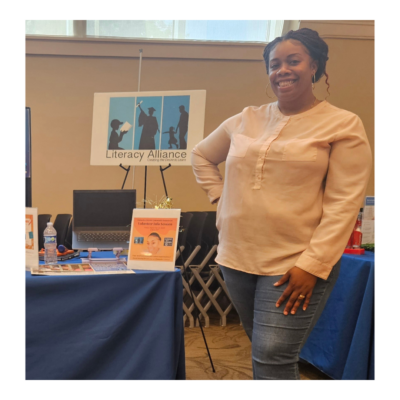
Columbus/Muscogee
Brief Bio:
Brandy Tolbert is the Executive Director of the Columbus Literacy Community Program, doing business as Literacy Alliance—the first Certified Literate Community Program (CLCP) in Georgia. Originally from Baldwin, Michigan, Ms. Tolbert began her journey with the organization as a volunteer in 2011. Over the years, her commitment, leadership, and vision have steadily grown, ultimately leading her to her current role as Executive Director.
As a mother of four children, ages 15 to 6, Ms. Tolbert deeply understands the importance of a strong family foundation. She recognizes literacy as a critical component of lifelong success. Her personal and professional experiences continue to shape her passion for advancing family literacy and strengthening communities.
Ms. Tolbert is honored to lead the organization and expand its impact across the Chattahoochee Valley through innovative and inclusive literacy initiatives. She earned a Bachelor of Psychology from Columbus State University and remains actively engaged in statewide and local efforts to improve literacy outcomes. She currently serves on the CLCP Board of Directors for the state, as well as on several local boards and coalitions dedicated to increasing literacy rates.
In Fall 2026, Ms. Tolbert will begin pursuing a Master of Business Administration at Wesleyan College, with a concentration in nonprofit management, further strengthening her capacity to lead and grow mission-driven organizations.
Name the “a-ha moment” when you decided to focus your advocacy on early childhood?
When I think back to what pushed me to learn about state policies, get involved, and make an impact, it brings me to the post-pandemic period, when my youngest child (now 6 years old) was put on the waiting list for Early Head Start. We never received a call to complete the enrollment forms. It was not because we didn’t need the service/support (she accompanied me many mornings, taking her Irish twin to class), nor because of behavior or anything like that. She did not have the opportunity to attend Early Head Start or Head Start because of the teacher shortage my community and many other communities serving children birth to 5 years old experienced and still face today.
As a mother, it was hard knowing that only one of my babies was receiving educational support. Still, as a working mother, I missed several meetings, conferences, and workshops due to the lack of child care. I was fortunate to bring her to the office at Kennesaw State University for a literacy council meeting. This made me think, “If I am losing wages and missing professional development opportunities, what about the parents who work in environments where children are not allowed, or their employers wouldn’t accept missing meetings or arriving late due to childcare?” Since then, I have become more aware of what is happening at the Capitol and how changes in federal funding affect my community, and I am developing ways for fellow parents to share their voices and advocate for change.
What is a particular need in your community that you would like to address?
I am working to develop a platform where parents feel heard and seen, and can advocate for their family’s overall well-being. I hear that parent engagement is low or nonexistent for some families. I also see that parents and caregivers are often the last partners brought to the table when it comes to creating change for students. Increasing parental voice in education, affordable housing, and living wages is a need in Columbus and the surrounding areas that I would like to address.
As a Changemaker, how have you recently used your voice to influence your community, policymakers, or systems?
I am encouraging local parents and caregivers to join me in advocating for our youth and creating opportunities to build awareness and strengthen their voice and advocacy skills.
How has being a Changemaker changed you?
Being selected as one of the first Columbus Changemakers has encouraged me to continue pushing for positive changes that support the well-being of our youth and their families.

Richmond Hill (Bryan County)
Brief Bio
Krystle Steinhoff is the Founder and CEO of Thrive Early Learning, a high-quality early childhood education center dedicated to building strong foundations for children, families, and educators. With a background as an attorney focused on business protection and trademark strategy, Krystle brings both vision and structure to her work in early childhood education.
As a leader, she is passionate about creating education-focused environments where children feel safe, supported, and inspired to grow. At Thrive, she leads strategy, operations, team development, and expansion while safeguarding the culture and standards that make the organization exceptional.
Krystle also serves on the advisory board of The Compliance Alliance and is a proud member of GEEARS Changemakers, where she collaborates with leaders across Georgia to strengthen early childhood systems, advocacy, and access for families. Her work is rooted in servant leadership, strong relationships, and the belief that the first five years of life shape everything that follows.
Name the “a-ha moment” when you decided to focus your advocacy on early childhood?
My “a-ha moment” came when I picked up my 14-month-old son from childcare and found him strapped into a buggy, facing a television, watching The Jungle Book. There was no engagement from the teachers, no meaningful interaction, and nothing for him to explore or learn. It was heartbreaking. I remember feeling completely helpless because, at the time, I had no other choice but to take him there every day. It was the only center with an opening, and I had to work to pay the bills. In that moment, I realized how deeply the quality of early childhood education shapes not only children but entire families. That experience changed everything for me and became the driving force behind my commitment to advocacy and to building something stronger.
What is a particular need in your community that you would like to address?
One of the greatest needs in our community is stronger support for early childhood educators and families. Early childhood educators do some of the most important work—shaping the foundation of a child’s life—yet they often do not receive the same level of support, respect, or resources as public school teachers. That has to change.
At the same time, families need more education and support on what young children truly need to thrive. The first five years matter deeply, and many parents are navigating that season without enough guidance or access to quality options. I believe that when we invest in educators and empower families, we strengthen not only individual children but our entire community.
As a Changemaker, how have you recently used your voice to influence your community, policymakers, or systems?
As a Changemaker, I’ve used my voice to advocate for recognizing early childhood education as essential infrastructure, not merely child care. Through my work with Thrive Early Learning and my involvement with GEEARS, I’ve engaged with community leaders, policymakers, and fellow business owners to discuss the long-term impact of investing in the first five years of life.
I’ve spoken openly about the challenges early childhood educators face, including inequities in workforce support compared with the public school system, and I’ve helped families better understand the value of high-quality early learning environments. I believe advocacy starts with awareness, so I work to bridge the gap between what happens in our classrooms and the decisions made outside them. Whether through leadership conversations, community partnerships, or policy discussions, I want to help create systems that better support children, families, and educators.
How has being a Changemaker changed you?
Being a Changemaker has strengthened my belief that real change happens when we stop waiting for someone else to fix the problem and step in ourselves. It has pushed me to think beyond my own school and see the bigger picture of how policy, access, and advocacy shape outcomes for children and families across our state.
It has also given me a deeper sense of responsibility. I’ve realized that my voice carries weight not only for my business but also for the educators, children, and families who may not always have a seat at the table. Being part of this work has made me bolder, more intentional, and more committed to using leadership as a tool for service. It reminds me that we are not just building schools, we are helping to shape communities and futures.
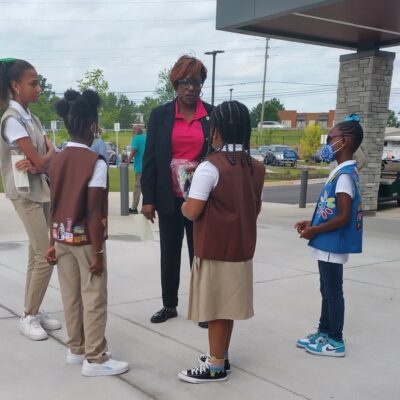
Columbus/Muscogee
Brief Bio
Wanda Jenkins-Davis is a seasoned nonprofit and philanthropy professional with more than three decades of experience advancing community impact through grantmaking, program leadership, and strategic partnerships. She has supported nonprofit capacity building and led outreach initiatives that expand access and opportunity for underserved populations. Currently serving with Girl Scouts of Historic Georgia, Wanda has played a key role in sustaining United Way-supported programs and expanding community partnerships. She is a Hull Fellow, an Emerging Philanthropic Leader, and an active civic leader committed to strengthening communities through service and collaboration.
Name the “a-ha moment” when you decided to focus your advocacy on early childhood?
My “a-ha moment” came from the lived experiences of the girls and families I serve. One young girl shared that she, her mother, and her three-year-old brother were living in their car after an eviction. Her mother had lost her job during the pandemic, didn’t qualify for assistance, and couldn’t secure housing because of credit issues and a negative rental history. In that moment, I saw how early instability shapes everything that follows. When basic needs aren’t met in a child’s earliest years, it affects development, learning, and emotional well-being. That experience made it clear that if we want to change outcomes, we have to start early before those challenges become long-term barriers.
What is a particular need in your community that you would like to address?
There is a critical need to address housing instability, financial insecurity, and access to early childhood behavioral health services. Many families I work with are navigating homelessness or housing transitions while struggling to access early intervention and behavioral therapy for their young children. By the time some children reach third grade, gaps in literacy and support services are already significant. Addressing these issues requires a coordinated approach that supports both the child and the family ensuring stable housing, access to early learning, and timely behavioral health services.
As a Changemaker, how have you recently used your voice to influence your community, policymakers, or systems?
I use my voice to ensure families are not overlooked or dismissed when seeking support. Many of the families I serve navigate complex systems without clear guidance and are too often passed around or denied access because they don’t know how to advocate for themselves or because they face barriers from those in positions of authority. I step in to bridge that gap by connecting them with trusted resources and individuals committed to helping families succeed.
How has being a Changemaker changed you?
Being a Changemaker has shifted my perspective from addressing immediate needs to advocating for long-term solutions. It has strengthened my resolve to speak up for families who often navigate systems not designed with them in mind. It has also deepened my understanding that early intervention is not optional, it is essential. This work has made me more intentional, more strategic, and more committed to ensuring that children and families have access to the support they need from the very beginning.
Statesboro/Bulloch
Brief Bio
I am a mother and an entrepreneur who has fought to build a better life for my children.
Name the “a-ha moment” when you decided to focus your advocacy on early childhood?
My “a-ha moment” came when I had my own daughter. I realized what I wanted as a mother: quality, safe child care so I could provide the life she needs.
What is a particular need in your community that you would like to address?
In my community, I want to provide exactly what we need: affordable, high-quality child care.
As a Changemaker, how have you recently used your voice to influence your community, policymakers, or systems?
In my free time, I spend time on social media and speak with people in the community about child care. I now own a child care center that provides a safe, loving, and fun learning environment for every child.
How has being a Changemaker changed you?
Being a Changemaker has opened my eyes in so many ways and strengthened my ability to advocate for others. It’s helped me grow and communicate with more confidence. I stay inspired by the many like‑minded people around me who share a deep love for children and community.

Augusta/Richmond
Brief Bio
Katrice Dixon is an educator and educational consultant driven by a passion for enriching classrooms, teachers, and student outcomes. As the visionary behind Rich Teacher Vibes, she blends real-world relevance, robust instructional systems, and student-centered practices to help learners see themselves as capable, confident problem-solvers. Her work reflects a belief that learning is lifelong, extending beyond K–12 to support growth from birth through every stage of life.
Katrice is pursuing a doctoral degree in Curriculum and Instruction while advancing toward educational leadership roles that expand her impact beyond the classroom. A dedicated kid advocate, she is committed to ensuring every student, regardless of their background, has access to high-quality learning experiences that build both skills and identity. Through her work, Katrice empowers educators to teach with purpose, innovate with intention, and create environments where teachers and students thrive.
Name the “a-ha moment” when you decided to focus your advocacy on early childhood?
My “a-ha moment” came while navigating early motherhood with my own sons, when I realized how broken the child care landscape can be. I faced an impossible trade-off choosing between lower-paying work that qualified me for support and pursuing higher-paying opportunities that made quality childcare financially out of reach.
In that gap, I leaned heavily on community care, which opened my eyes to both its power and its limitations especially the lack of consistent, high-quality educational experiences for young children. That tension made it clear that early childhood isn’t just about supervision; it’s about access, equity, and foundational learning. That realization pushed me to advocate more intentionally for early childhood, ensuring families don’t have to choose between economic stability and their children’s developmental needs.
What is a particular need in your community that you would like to address?
The particular need I want to address in my community is the lack of affordable, high-quality early childhood care, driven by funding gaps. Too many families are forced to make impossible choices between financial stability and access to safe, enriching learning environments for their children.
My own experience highlighted how limited subsidies, high costs, and inconsistent access to educationally rich childcare create inequities from the very start of a child’s learning journey. This is not just a child care issue; it’s an issue of economic and educational access. I want to advocate for increased funding, more equitable subsidy structures, and sustainable models that ensure all families regardless of income can access quality early learning experiences that truly enrich children from the beginning.
As a Changemaker, how have you recently used your voice to influence your community, policymakers, or systems?
As a Changemaker, I’ve been intentional about using my voice to influence practice and perception in my community by centering equity, access, and enrichment in education. Through *Rich Teacher Vibes*, I’ve created spaces both in classrooms and beyond where educators and families discuss what high-quality, relevant learning should look like, especially for students who have historically been underserved. I’ve advocated for stronger instructional systems, more intentional support for early learners, and greater alignment between academic success and real-world readiness.
My work also amplifies the realities families face (particularly around affordability and access to quality child care) calling for more responsive solutions and community-driven support. Whether through professional development, storytelling, or program design, I use my voice to challenge the status quo and push toward systems that truly enrich learners from birth through lifelong success.
How has being a Changemaker changed you?
Being a Changemaker has stretched me from simply responding to challenges to intentionally shaping solutions. It’s deepened my sense of responsibility not just to my own classroom or children, but to families, educators, and systems that need to work better for all learners. I’ve become more vocal, more strategic, and more grounded in my purpose, especially when advocating for equity, affordability, and access in early childhood and beyond. It has also required resilience, learning to navigate barriers, speaking up even when it’s uncomfortable, and staying committed to the bigger vision of enrichment.
Most importantly, it’s shifted my mindset from doing the work in isolation to building community, using my experiences to influence change, and leading in ways that create lasting impact from birth through lifelong learning.
Athens/Clarke County
Brief Bio
Jennifer Henderson is the Program Director at Brightpaths, where she has dedicated her career to supporting families through prevention-focused programs. With 23 years of experience in child abuse prevention and home visiting, Jennifer finds her greatest reward in seeing these programs grow to meet the needs of more local families. She is an endorsed Infant Mental Health Specialist and is passionate about the role of Reflective Supervision in supporting frontline workers. Jennifer lives outside Athens with her husband and their dog, who love to go on hikes.
Name the “a-ha moment” when you decided to focus your advocacy on early childhood?
I started working as a home visitor and was assigned to a mom who was a UGA student. She had one year left to graduate and had no family nearby to help her. I encouraged her to apply for CAPS to help with child care so she could finish her education and get a good job. This is when I learned how policy impacts families. She was denied because she was a student at a four-year college instead of a two-year college. This did not make any sense to me, but I was told that was the eligibility requirement.
This was the first time I realized that some policies and procedures did not align with the needs. I had always wanted to work with children, but after becoming a home visitor after college, I realized how much I enjoyed working with new parents, supporting them on this journey, and developing relationships with families. That is what I LOVED! Starting prenatally, or right after birth, to build a strong foundation is key to everything else in life. Those first 5 years are so critical!
What is a particular need in your community that you would like to address?
I would love to see more families have access to home visiting and to quality child care.
As a Changemaker, how have you recently used your voice to influence your community, policymakers, or systems?
I have reached out to legislators and invited them to visit our agency to share more information about home visiting. Learning more about policy and legislators has helped me better understand how to advocate for specific policies.
How has being a Changemaker changed you?
It has helped me gain knowledge about policymaking, legislators, committees, and subcommittees, as well as how and whom to connect with for specific policies. This knowledge has helped me gain more confidence when reaching out to legislators and advocating for our families in our community.
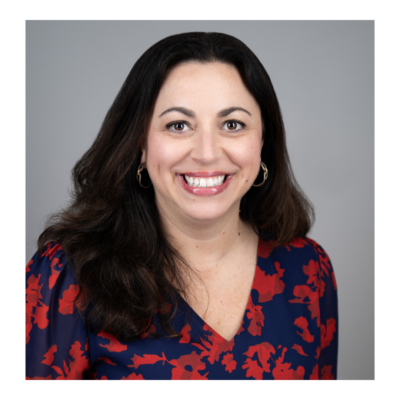
Augusta/Richmond
Brief Bio
Rebecca Best is the Executive Director of Resilient Communities of East Georgia, a nonprofit dedicated to strengthening mental and behavioral health for children, youth, and families across a 14-county region. In this role, she leads with both strategy and heart building programs, partnerships, and community networks that expand access to care and promote long-term resilience.
Her work brings together direct service, training, research, and advocacy, enabling schools, providers, and community leaders to better support young people’s social and emotional well-being. Rebecca is skilled at guiding organizations through growth, managing teams with clarity and purpose, and developing practical solutions that reflect the needs of the communities she serves.
With a Bachelor’s degree in Psychology and an MBA from Augusta University, she combines a deep understanding of human behavior with strong business and leadership expertise. This unique blend enables her to bridge the gap between vision and implementation, helping systems turn ideas into action that makes a lasting difference.
Name the “a-ha moment” when you decided to focus your advocacy on early childhood?
Becoming a mom was my “a-ha moment.” Even with the resources, education, and network I have, I found myself overwhelmed as I navigated care, support, and what was truly best for my child. I remember thinking: if this feels hard for me, how hard must it be for families without the same access or flexibility?
At the same time, through my work, I saw older kids struggling in ways that didn’t start in adolescence. It clicked that many of the challenges we’re trying to solve later could have been prevented or softened much earlier. That’s when it shifted for me. This isn’t just professional, it’s deeply personal. Supporting early childhood isn’t a “nice to have.” It’s the foundation for everything that comes next.
What is a particular need in your community that you would like to address?
One of the biggest needs I see is practical support for parents and caregivers during those early years.
There’s an assumption that if you have the means, you’ll be fine. But even well-resourced families struggle to find quality care, navigate systems, and feel confident in how they’re supporting their child’s development. For families without those resources, the barriers are even greater—limited access, long waitlists, transportation challenges, and a lack of clear, connected systems.
I want to close the gap between what families need and what exists. Not just more services, but better alignment—so parents aren’t left piecing things together on their own. When we support parents, we directly support children.
As a Changemaker, how have you recently used your voice to influence your community, policymakers, or systems?
Lately, I’ve been using my voice more honestly sharing not only what I see as a leader but also what I experience as a mom. I’ve found that when I talk about the real challenges like navigating child care, worrying about development, and trying to balance work and presence it resonates differently. It makes the issue feel more real and harder to dismiss.
At the same time, through my work, I’m continuing to push for systems that prioritize prevention, early support, and cross-sector collaboration. That means bringing partners together, elevating what’s working, and advocating for funding and policies that meet families where they are.
I see my role as helping bridge those two perspectives: the professional and the personal to create change that feels both practical and urgent.
How has being a Changemaker changed you?
It’s made me more honest and more vocal.
Before becoming a mom, I approached this work more from a systems-and-strategy perspective. Now it’s layered with lived experience; the pressure, the guilt, the constant questioning of whether you’re doing enough or doing it right. It’s also made me more empathetic and less judgmental. Every parent is carrying something, and every family is doing the best they can with what they have.
At the same time, it’s made me more driven. This work isn’t just about outcomes or programs; it’s about the kind of world my child grows up in and whether families feel supported or alone in those early, critical years. It’s changed how I lead, advocate, and show up more grounded, more personal, and more committed than ever.
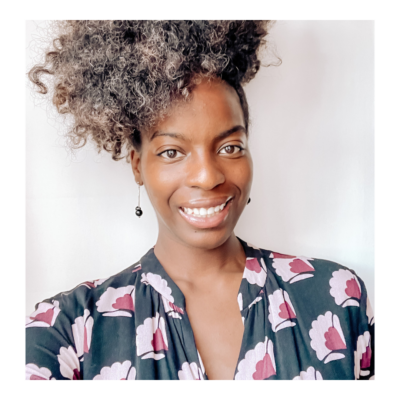
Columbus/Muscogee
Brief Bio
Hi! I’m Destiny, a mom, doula, and advocate in the 706 area, originally from Atlanta, GA. I’ve always been in the middle of early childhood care and advocacy, as both of my parents have a background in ECE. I spent many days playing school, creating curricula, and diving into books and the worlds of my imagination, and I spent most of my teenage years running (or assisting with) after-school programs and summer camps.
That love and passion for learning only grew stronger and bolder when I became a mother for the first time; it has always been imperative to me that my children have the same opportunities, access, and abilities as I do—if not more. As my children grow, the obvious gap in access across social, financial, and cultural communities becomes more and more apparent. I believe all children should have the same access across the board because they do not ask to be here, but they deserve everything we’ve got to give them, no matter who or what their parents are!
Name the “a-ha moment” when you decided to focus your advocacy on early childhood?
Enrolling my eldest in school made me aware of how difficult it is to find quality, diverse, affordable care that does not fit a one-size-fits-all model. We were already drowning in child care payments and struggling to balance her intellect with her maturity and age.
The school search made the journey even harder; there were few options that did not lead to homeschooling or private schooling. Ultimately, we decided homeschooling would be the best fit, but it required extreme sacrifice and dedication neither my husband nor I were prepared for. I never want that for another family, or for ourselves, as the school years continue to come and go.
What is a particular need in your community that you would like to address?
Access to quality, affordable child care, kid-centered activities, and leadership that focuses on building and supporting the whole family, especially our youngest.
As a Changemaker, how have you recently used your voice to influence your community, policymakers, or systems?
In recent months, I have participated in Strolling Thunder, written letters and made phone calls to my senators and local political leaders, and begun developing my approach to my child’s school to advance their plans for care, curriculum, and activities for children on the spectrum and those who don’t fit the “typical” school mold.
How has being a Changemaker changed you?
Being a Changemaker has refined my advocacy language and given me a solid footing when challenging politicians, school systems, and other powers that be who attempt to neglect or disregard early childhood care and policy. It has re-lit a long-burning fire in me in the best way!
Waynesboro/Augusta
Brief Bio
I am both a mother and a grandmother to children with disabilities, experiences that have profoundly shaped my perspective and commitment to advocacy. Before my involvement with GEEARS, I served as a CASA advocate, a role I continue to hold, where I developed a deep appreciation for the importance of supporting children and families as they navigate complex systems.
I am now entering the internship phase of my graduate training as I work toward becoming a Licensed Professional Counselor with Child Enrichment. This next step offers an important opportunity to further develop my clinical skills while continuing to serve vulnerable populations. Looking ahead, my goal is to work directly with children, particularly those who may struggle to express their needs or advocate for themselves. I am committed to being a supportive and effective voice for those who are not yet able to be heard, ensuring they are seen, understood, and empowered within the systems designed to protect and support them.
Name the “a-ha moment” when you decided to focus your advocacy on early childhood?
My “a-ha moment” came while volunteering with CASA and was shaped by a convergence of experiences. In my work, I frequently encounter mothers who struggle to secure affordable child care, and I believe many of their absences are directly tied to this challenge. Although my own children are now grown, I remember how difficult that period can be despite having the advantage of a reliable family support system.
While speaking with a foster mother and helping her navigate the child care process, we encountered repeated barriers, including a denial from CAPS. In that moment, it became clear to me that the system is fundamentally difficult to access and, in many cases, fails those it is intended to support. Individuals who qualify for assistance are often unable to obtain it simply because they lack the guidance needed to navigate a complex, fragmented process.
Maya Angelou’s words have long guided me: “Develop enough courage that you can stand up for yourself and then stand up for somebody else.” This experience reinforced for me that now is the time to act on that principle by advocating more intentionally for those who need support but cannot access it on their own.
What is a particular need in your community that you would like to address?
Our community faces a significant and ongoing shortage of affordable, high-quality childcare. In conversations with local mothers, I have consistently heard from those who do not meet eligibility requirements for the Childcare and Parent Services (CAPS) program, yet still cannot reasonably afford the cost of care. In many cases, child care expenses are comparable to or even exceed their monthly housing payments, creating an unsustainable financial burden.
Without access to subsidies or reliable support from family members, these parents are often left with difficult choices. Some are compelled to rely on unqualified or informal child care arrangements that may not provide the safety, structure, or developmental support their children need. Others are forced to miss work, reduce their hours, or leave employment altogether to meet their caregiving responsibilities. This cycle has far-reaching consequences. It disrupts workplace stability and productivity while straining family well-being and financial security.
Over time, these challenges can contribute to broader economic and social impacts within the community. Expanding access to affordable, high-quality child care is therefore not only a matter of supporting individual families but also a critical investment in workforce stability, child development, and the overall health of the community.
As a Changemaker, how have you recently used your voice to influence your community, policymakers, or systems?
Our community has a critical, unmet need for affordable, high-quality child care. In my conversations with mothers, I have repeatedly heard from families who do not qualify for CAPS assistance yet cannot afford the high cost of care, costs that can rival or even exceed their monthly housing expenses. Without access to financial support or reliable family networks, many parents are left with limited and often concerning options.
As a result, some families leave their children with unqualified providers, while others are forced to miss work to meet caregiving responsibilities. This creates a cycle of instability that affects not only children’s well-being and safety but also parents’ employment and financial security.
Over time, these challenges can compound, placing additional strain on families and, by extension, the broader community. Addressing this gap in accessible child care is not simply a family issue; it is a workforce and community issue. Increasing access to affordable, high-quality child care would support working parents, promote child development and safety, and strengthen economic stability across the community. Given its far-reaching impact, this need warrants collective attention and meaningful action.
How has being a Changemaker changed you?
Participating as a Changemaker has deepened my understanding that meaningful impact extends beyond individual acts of advocacy. It requires intentionally building structures and opportunities that ensure parents’ perspectives are consistently heard and integrated into decision-making over time. The goal is not only to address immediate concerns but also to establish lasting channels through which families can influence the systems that affect their lives.
This work is inherently collaborative. Progress depends on fostering environments where individuals feel safe sharing their experiences, building connections, and gaining confidence in their voices. Equally important is the responsibility to support and mentor others (particularly those who may not yet feel prepared to speak up) so they, too, can engage and contribute when they are ready. In this way, the impact becomes sustainable, extending beyond any one individual or moment and strengthening the community’s collective voice.
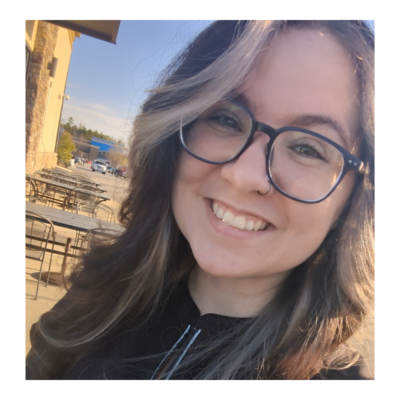
Augusta/Richmond Grovetown
Brief Bio
Kateland Kobza, BSN, RN, is a healthcare leader and changemaker committed to improving outcomes for children and families through expanded access, early intervention, and equitable care. My work is driven by a passion for ensuring that all children, regardless of socioeconomic status, have access to timely, high-quality care. I focus on reducing barriers for Medicaid populations, advocating for expanded coverage, and creating pathways for earlier identification and intervention for health concerns that can affect lifelong outcomes. I believe that investing in children’s health early not only improves individual lives but also strengthens families and communities.
Name the “a-ha moment” when you decided to focus your advocacy on early childhood?
My “a-ha moment” came when my own child, Finn, unexpectedly became medically complex, and I experienced firsthand how essential Medicaid coverage and timely access to resources are. I went from understanding these systems professionally to navigating them personally, learning how quickly a family’s needs can shift and how much depends on whether services, specialists, and early interventions are accessible without delay or financial strain.
Walking through that journey with Finn made it clear how many families face similar situations without the same clinical background or support to help them navigate. It highlighted how critical Medicaid is as a safety net and how gaps in access or delays in early intervention can shape a child’s developmental trajectory and a family’s stability.
That experience solidified my commitment to advocacy in early childhood ensuring that when a child has unexpected medical or developmental needs, families are met with resources, not barriers, and that early intervention is truly accessible when it matters most.
What is a particular need in your community that you would like to address?
A particular need in Augusta, Georgia that I am deeply concerned about is limited access to early intervention services through Baby’s Can’t Wait, especially for families relying on Medicaid.
Right now, significant barriers are affecting timely care: long waitlists for evaluations and therapy, a shortage of in-home providers, and many clinicians who no longer accept Medicaid. As a result, families are often approved for services but cannot access them in a timely or meaningful way. This creates a critical gap during the early developmental window when intervention is most effective.
For many families, especially those already navigating socioeconomic stressors, the burden of coordinating care, traveling to services (when available), or simply waiting months for support can delay progress that is time-sensitive in early childhood development. In-home services are especially important for young children, yet they are stretched thin, leaving families without the consistent, accessible support they were promised.
Addressing this gap by strengthening the provider network, improving Medicaid reimbursement incentives, and expanding in-home early intervention capacity is essential to ensuring that children in Augusta receive the support they need when it matters most.
As a Changemaker, how have you recently used your voice to influence your community, policymakers, or systems?
Recently, I have used my voice more intentionally at both the community and policy levels to advocate for children and families, particularly regarding access to early intervention and Medicaid-supported services. I have written letters to my congressional representatives and sent emails highlighting the real-world impact of coverage gaps and provider shortages on families in our community.
In addition to formal advocacy, I’ve made a point to engage in everyday conversations, talking with colleagues, families, and community members about organizations like GEEARS and the importance of early childhood investment. I consistently work to shift the mindset from silence or frustration to informed participation, encouraging others to understand how policy decisions directly affect access to care.
For me, advocacy is not just about formal channels; it’s about consistently using my voice in both structured and informal spaces to bring attention to system-level gaps, elevate families’ experiences, and push for meaningful change in how early childhood services are prioritized and delivered.
How has being a Changemaker changed you?
Being a Changemaker has shifted the way I see my role in healthcare and my responsibility beyond it. I no longer view gaps in care as isolated system issues. I now see the real stories of children and families and feel a stronger responsibility to speak up when those gaps affect access, equity, and early intervention.
It has also made me more intentional and courageous in using my voice. Writing to policymakers, engaging in community conversations, and advocating for organizations like GEEARS have pushed me beyond “observing problems” and into actively working to influence change. I’ve learned that meaningful change often starts with persistent, sometimes uncomfortable advocacy, especially when systems are slow to respond.
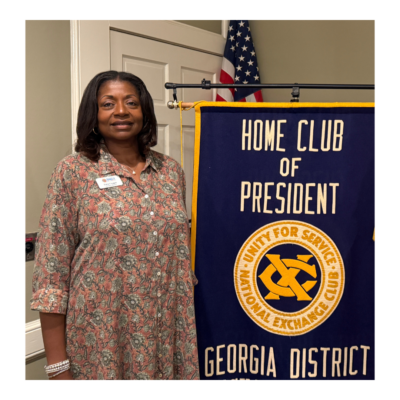
Statesboro/Bulloch
Brief Bio
Lora Cooper is a dedicated nonprofit leader with more than 26 years of experience advancing child and family well-being in Bulloch County. Since October 2025, she has served as Executive Director of the Bulloch County Commission on Human Services. She also continues her longstanding leadership as Executive Director of Positive Childhood Alliance Bulloch, where she oversees community-based programs and champions trauma-informed, family-centered services.
Throughout her career, Lora has demonstrated expertise in program development, grant management, and community engagement, leading initiatives focused on child abuse prevention, family support, and community resilience. A trained practitioner in the Community Resiliency Model (CRM), she is also trained in HOPE (Healthy Outcomes from Positive Experiences) and other evidence-based models and programs, further strengthening her commitment to building stronger, healthier communities through strategic partnerships and inclusive service delivery.
Name the “a-ha moment” when you decided to focus your advocacy on early childhood?
I don’t have a single “a-ha moment” that led me to focus on early childhood education. Rather, it has been a steady realization over time. Through years of working with children and families, I’ve seen firsthand how early experiences shape what follows. Early childhood education lays the foundation for cognitive development, social-emotional skills, and long-term health and success.
At the same time, my work has reinforced that we can’t view early childhood in isolation. Children grow within the context of their families and communities, and older children and caregivers play a critical role in sustaining and building on that early foundation. That’s why my approach has always been holistic, supporting not only young children but also older youth and the families who nurture them.
Focusing on early childhood is essential, but lasting impact comes from strengthening the entire ecosystem around a child. That belief continues to guide my work and the partnerships I build in the community.
What is a particular need in your community that you would like to address?
One of the most pressing needs in our community right now is the gap left by the July 2025 closure of the local Boys and Girls Club. For many children and families, that organization was far more than an after-school program; it was a safe, structured environment where young people could learn, grow, and build positive relationships with caring adults.
Since its closure, many families have been left without a reliable option for out-of-school time care and youth development. This has created challenges not only for working parents who relied on that support but also for children who benefited from consistent mentorship, enrichment opportunities, and a sense of belonging.
Addressing this gap is critical. Our community needs accessible, high-quality programs that support children beyond the classroom and engage and strengthen families. Rebuilding that network of support, whether through new partnerships, expanded programming, or innovative service models, is essential to ensuring that our children continue to have safe spaces to thrive and reach their full potential.
As a Changemaker, how have you recently used your voice to influence your community, policymakers, or systems?
As a Changemaker, I recently used my voice in a very public and intentional way by speaking before City Council members and County Commissioners on April 7th, when I received proclamations recognizing April as Child Abuse Prevention Month. While the proclamations were an honor, I saw the moment as an opportunity to go beyond recognition and elevate the real needs facing children and families in our community.
During my remarks, I underscored the importance of prevention-focused efforts and highlighted the challenges many families are facing. I also invited community members and leaders to attend the upcoming Building a Resilient Community Summit, positioning it as a space where collaboration and solutions can take shape.
Most importantly, I emphasized that meaningful work is already underway and that everyone has a role to play. By using that platform, I raised awareness, engaged local decision-makers, and encouraged broader community involvement in building stronger, more supportive systems for children and families.
How has being a Changemaker changed you?
Becoming a Changemaker has expanded my perspective in ways I did not anticipate. It has opened the door to new experiences, such as participating in Strolling Thunder, where I advocated at the Gold Dome alongside others on behalf of children and families. That experience alone deepened my understanding of how policy and advocacy intersect to create meaningful change.
Through this journey, I have also connected with and collaborated with individuals both locally and across the state whom I might not otherwise have had the chance to engage with. These relationships have strengthened my work and broadened my approach to addressing the needs of children and families.
In addition, I have gained valuable knowledge and insight that will continue to guide me as I move forward in my advocacy efforts. Overall, being a Changemaker has been an incredibly rewarding experience. I am truly grateful for the opportunities, connections, and growth it has provided.
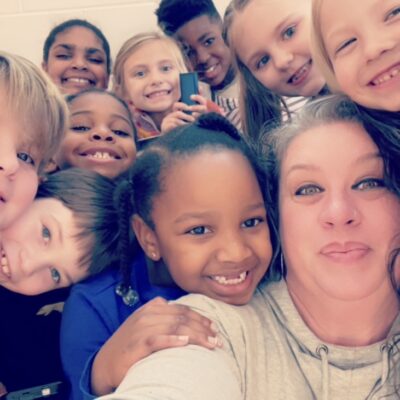
Columbus/Muscogee
Brief Bio
Brandy Cooper is a dedicated youth development leader and community advocate with more than 20 years of experience creating safe, engaging, and life-changing opportunities for children and families. As Director of Children and Youth Programming at the YMCA of Metropolitan Columbus, she oversees after-school, summer camp, wellness, and family programs serving hundreds of youth each year. Brandy is passionate about expanding access, building young people’s confidence, and developing innovative programs that strengthen the community. Known for her servant leadership, creativity, and heart for others, she is committed to helping every child feel seen, supported, and empowered to succeed.
Name the “a-ha moment” when you decided to focus your advocacy on early childhood?
My “a-ha moment” came from seeing how much a child’s future can be shaped long before middle or high school. Working with children and families through the YMCA of Metropolitan Columbus, I saw that children with access to strong early learning experiences, caring adults, and consistent support entered school more confident, prepared, and ready to succeed. I also saw how quickly gaps can form when those supports are missing. That realization made it clear that if we truly want to change outcomes, we have to start early. Investing in early childhood is one of the most powerful ways to strengthen families, schools, and our entire community.
What is a particular need in your community that you would like to address?
A particular need in my community that I would like to address is affordable child care for all families. Too many parents are forced to choose between working and securing safe, reliable, and affordable care. Access to quality child care supports children’s early learning and development while enabling parents to maintain employment and financial stability. When families have affordable child care options, the entire community benefits through stronger workforce participation, healthier family routines, and better outcomes for children.
My goal is to help create solutions that make high-quality child care accessible to every family, regardless of income or circumstance.
As a Changemaker, how have you recently used your voice to influence your community, policymakers, or systems?
As a Changemaker, I recently used my voice by traveling to the Georgia State Capitol and meeting directly with lawmakers to advocate for increased state funding for early childhood development and after-school programs. I shared how these investments create safe spaces for children, support working families, and strengthen long-term educational outcomes. By speaking about the real needs of families in our community and the impact these programs have on children, I worked to influence policies and budget decisions that can create lasting change across our state.
How has being a Changemaker changed you?
Being a Changemaker has helped me grow into a stronger, more confident leader. It has shown me that my voice, experiences, and passion can create real impact beyond the walls of my organization. I have become more intentional about speaking up for children, families, and communities that need support, and more aware of how systems and policies shape everyday lives. It has also deepened my sense of purpose, reminding me that meaningful change often starts with one person willing to step forward, build relationships, and continue advocating for what matters most.
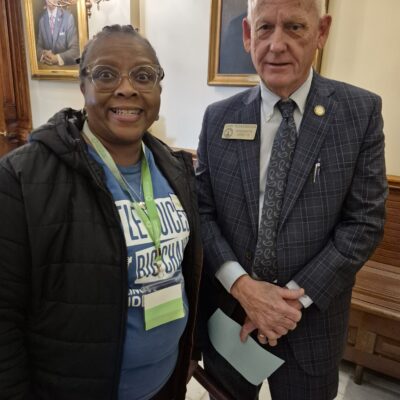
Augusta/Richmond
Brief Bio
I’m Evon Mosley, a Child care Owner/Director in Augusta, GA. I’ve been serving children in my community since 1998. I have a passion for serving.
Name the “a-ha moment” when you decided to focus your advocacy on early childhood?
I think it started for me years ago in high school. I began serving children in my home economics class. I earned a seal on my high school diploma for child care.
What is a particular need in your community that you would like to address?
In my community, I would love to see more affordable, high-quality child care services, affordable housing, and increased salaries in the child care field.
As a Changemaker, how have you recently used your voice to influence your community, policymakers, or systems?
As a Changemaker, I had the pleasure of attending Strolling Thunder at the Capitol. I spoke with leaders about the changes I would love to see in my community. I asked for an increase in the amount parents can earn and still qualify for CAPS.
How has being a Changemaker changed you?
Changemakers has given me the opportunity to surround myself with other like-minded individuals. It’s been a pleasure to be around positive people who are the voice for so many. We are the change we want to see in the future.
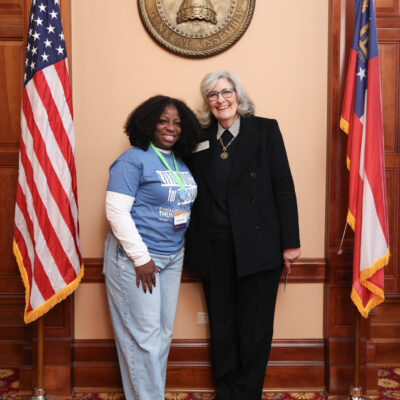
Columbus/Muscogee
Brief Bio
After 12 years in television and radio news, Yvonne transitioned to a career in education in 2000. She spent the first 15½ years as a middle grades teacher in the Muscogee County School District (Columbus, GA), followed by 4½ years teaching English in middle and high school in Abu Dhabi, UAE. In addition to teaching during her 20-year career, Yvonne coached volleyball, track, and dance team; mentored new teachers; conducted faculty and staff training; wrote curriculum and assessments; and served in several school-based leadership roles.
Yvonne joined Enrichment Services Program, Inc. as a Learning and Teaching Coach in March 2021. In this role, she collaborates with teaching staff to improve their interactions with children and their instructional practices. Yvonne is also the founder and owner of Preschool U, LLC, a training and consulting practice focused on early childhood education. Yvonne is an avid traveler, having visited more than 30 countries on three continents. Her philosophy is: “Don’t be so focused on the destination that you miss out on the journey.”
Name the “a-ha moment” when you decided to focus your advocacy on early childhood?
In my current work, I see firsthand the challenges so many families face in providing not only quality child care but also other services for their children. Being able to speak up for these families is an important way for me to give back to my community.
What is a particular need in your community that you would like to address?
Affordable housing and higher wages for early child care providers.
As a Changemaker, how have you recently used your voice to influence your community, policymakers, or systems?
One of the most impactful events I recently participated in was Strolling Thunder. Being able to speak one-on-one with my state legislators and hand them letters advocating for the needs identified by my employer was an awesome honor.
How has being a Changemaker changed you?
Being a Changemaker has deepened my understanding of other perspectives, both for and against the community needs I believe must be addressed. It has also afforded me the opportunity to collaborate with other like-minded advocates to benefit the families we serve.
Augusta/Richmond
Brief Bio
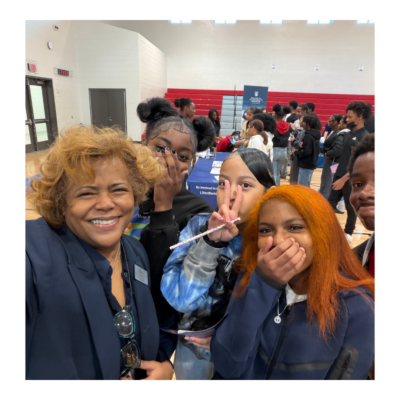
Dr. Marva Tutt is an HR executive, nonprofit founder, and visionary leader committed to reimagining education from the ground up. With more than two decades of experience in K–12 systems, she leads with both strategy and heart championing early childhood gifted education, educator innovation, and equitable access to opportunity. Through her work with Learning Futures Collective, she is building models that don’t just support students but transform futures.
Name the “a-ha moment” when you decided to focus your advocacy on early childhood?
My defining “a-ha moment” came when I realized that by the time many children are identified for support in school, they have already internalized failure. I saw bright, capable children, especially Black children, misunderstood, overlooked, or labeled too late. It became clear that if we wait until elementary or middle school to intervene, we’ve already missed critical windows. That moment shifted my focus to early childhood, where identity, confidence, and potential are first shaped and where advocacy can truly change a child’s trajectory.
What is a particular need in your community that you would like to address?
A significant need in my community is equitable access to high-quality early childhood education that recognizes and nurtures giftedness in all children. Many families lack access to programs that go beyond basic readiness and instead cultivate curiosity, creativity, and advanced thinking. Additionally, educators often need more support and training to identify gifted potential among diverse learners. Addressing this gap is essential to disrupting long-term disparities in achievement and opportunity.
As a Changemaker, how have you recently used your voice to influence your community, policymakers, or systems?
As a Changemaker, I have recently advanced legislative advocacy by elevating the importance of early childhood education and equitable access through strategic communication and stakeholder engagement. I have supported policy influence by sharing insights from my work in education and HR, participating in advocacy initiatives, and helping craft messaging that highlights the real impact of early learning gaps on communities. My work centers on ensuring that decision-makers understand the urgency of investing in early childhood systems that are both inclusive and forward-thinking.
How has being a Changemaker changed you?
Being a Changemaker has transformed me into a more courageous and strategic leader. I’ve learned to move beyond ideas to action, to navigate systems with purpose, and to advocate even when it’s uncomfortable. It has sharpened my ability to see both the big picture and the human impact, pushing me to lead with conviction and compassion.
Statesboro/Bulloch
Brief Bio
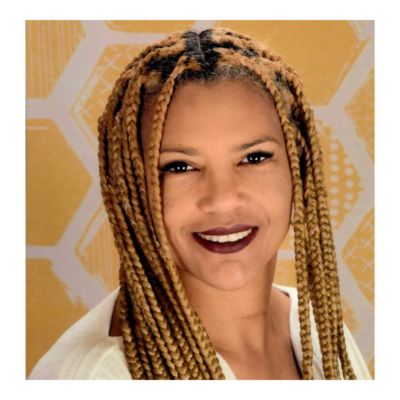
Michelle Smith Lank is the Owner/Director of Kids World Learning Center. Michelle manages and oversees daily operations for child care services serving more than 200 students and families, delivering high-quality experiences. Kids World Learning Center was the first childcare center in the state of Georgia to become Quality Rated in 2012. Kids World Learning Center is also a Quality Rated Inclusion-accredited site, a Pre-K tour site, a Governor’s Language and Literacy Endorsed program, and NAEYC nationally accredited.
Michelle is a QR Peer Support Network Ambassador and a State PSN Ambassador for the program. Michelle originally served as Georgia Child Care Association (GCCA) President from 2013-2015, providing direct feedback to DECAL through Commissioner Cagle and helping increase Quality-Rated awareness and participation.
She is currently back in the role as President of Georgia Child Care Association. In 2018, Michelle was invited to serve on Lady Deal’s Children’s Cabinet for the state of Georgia and continues to serve on that Cabinet under the direction of Lady Kemp. Michelle lives in Statesboro with their two amazing children, Jasmyn and Jamel, who also work in the childcare industry.
Name the “a-ha moment” when you decided to focus your advocacy on early childhood?
My “a-ha moment” came through years of working with young children and their families, realizing how critical the early years truly are. As the owner of Kids World Learning Center, I see every day how early experiences shape not only school readiness but also confidence, stability, and long-term success. That realization pushed me beyond serving children in my program; it called me into advocacy. In my role as President of the Georgia Child Care Association, I’ve also come to understand the broader picture. Early childhood education is not only about children; it is also about sustaining the businesses and educators who make high-quality care possible. That perspective has deepened my commitment to ensuring that both families and providers are supported.
What is a particular need in your community that you would like to address?
One of the greatest needs in my community is stronger support for existing, long-term, high-quality early education programs. We have programs that have served families for years — even generations — but they are increasingly operating under financial and regulatory pressures. If we want to maintain quality and expand access, we must invest in the programs that are already doing the work well. Supporting these programs means supporting children, families, and the local economy.
As a Changemaker, how have you recently used your voice to influence your community, policymakers, or systems?
As a Changemaker, I have used my voice to advocate not only for children and families but also for the sustainability of early childhood businesses. I’ve spoken about the importance of recognizing child care as both education and infrastructure. Through conversations with community leaders, policymakers, and fellow advocates, I work to elevate awareness of the realities providers face and the impact those realities have on access and quality.
How has being a Changemaker changed you?
Being a Changemaker has strengthened my confidence in speaking up and reinforced my sense of responsibility as a leader in this field. It has helped me connect my daily work to a larger purpose: influencing systems, supporting my peers, and helping shape a stronger future for early childhood in Georgia. I’ve learned that real change happens when we bring together the voices of those doing the work, and I’m proud to be part of that effort.
Augusta/Richmond
Brief Bio
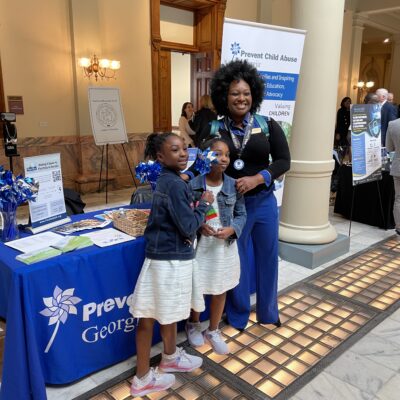
Samanthia Valentine is a parent of children with disabilities, educator, and advocate. Samanthia has shaped parent voice and systems change through her work with the Administration for Children & Families, as a parent with disabilities, and professor at Augusta Technical College. She transforms lived experience into systems change—shaping policy, training, and parent voice at the local, state, and national levels. Her leadership has been recognized through national fellowships and appointments, including the 50CAN National Voices Fellowship, representation for Georgia with the Annie E. Casey Foundation Elevate Voices initiative, and appointment to the Governor’s 2Gen Academy through the Carl Vinson Institute of Government. She is a recipient of the GCCF 2023 Community Award and was a 2024 HOPE Award Nominee for her work in relationship building. Samanthia is dedicated to reducing the stigma associated with families seeking help and believes that “anything that affects our children affects us all.”
Name the “a-ha moment” when you decided to focus your advocacy on early childhood?
I was teaching seventh grade and a mom was trying to explain how to best serve her child to a room full of people with titles. And her voice wasn’t being heard. A few years later, I found myself in that same position as a parent. That was my a-ha moment: If I put my educator hat on and my advocacy hat on, I could help others. Many of us in advocacy have learned to fight for others because it’s what we couldn’t always do for our own.
What is a particular need in your community that you would like to address?
One of the most urgent needs in my community—and across the state—is equitable access to systems designed to support families, particularly around child care. Families face significant barriers accessing child care support through the Gateway system—delays, unclear denials, and limited accommodations for those needing assistance navigating the process. And yet, you can’t fully show up to work or to life if you don’t feel your children are safe and supported.
As a Changemaker, how have you recently used your voice to influence your community, policymakers, or systems?
I led efforts to secure a statewide proclamation recognizing February as National Parent Leadership Month—now in its second year—and have supported others in replicating this across communities. I’ve worked to shift how parents are viewed—not just as participants, but as leaders—by engaging libraries, local governments, and community spaces in recognizing the value of parent voice. Beyond that, my work contributes to advancing parent voice through leadership development, training, and the distribution of tools that embed family voice into policy and practice.
How has being a Changemaker changed you?
Being a Changemaker has reinforced that this work is not just about advocacy—it’s about building sustainable pathways for parent voice to influence systems long after we leave the room. This is not work we do in isolation. It only works when we create space for people to share, connect, and grow—and then reach back to support others who may not yet be ready to speak. I always tell people, “This work isn’t linear. It’s circular and it doesn’t matter where you get in. If you’re not someone who wants to put pen to paper and make change happen, you can still use your voice—through conversation, through connection, through community.” I don’t just advocate within systems—I work to redesign them so families like mine are not navigating barriers alone.

Augusta/Richmond
Brief Bio
Marquitta Rucker is the CEO and Executive Director of S.W.A.T. Foundation Inc. (Servants With A Testimony), a Georgia nonprofit dedicated to providing intervention services that address the urgent needs of underserved communities. With more than a decade of experience in education, youth development, and community advocacy, she has dedicated her life to supporting children and families through literacy initiatives, educational programs, parenting support, emergency assistance, and youth empowerment.
Through programs such as Retool the School, Peanuts Reading Corner, community baby showers, and literacy outreach initiatives, Dr. Rucker has helped thousands of children and families access resources that improve educational outcomes and overall well-being. Her work focuses on ensuring children have equitable access to books, educational support, healthy environments, and opportunities to thrive from birth through adolescence.
Name the “a-ha moment” when you decided to focus your advocacy on early childhood?
My “a-ha moment” came from both my professional experience in education and my personal work serving families in crisis. As an educator and nonprofit leader, I realized that many children were entering school already behind because of barriers outside the classroom, including poverty, lack of access to books, unstable housing, food insecurity, and limited early childhood support services.
One moment that deeply impacted me was seeing children who had never owned books or had access to literacy resources at home. I realized that early childhood advocacy is not just about education. It is about changing a child’s life trajectory before barriers become generational cycles. That understanding pushed me to create programs focused on literacy, family support, and early intervention within the community.
What is a particular need in your community that you would like to address?
One major need in my community is equitable access to early literacy resources and family support services in underserved neighborhoods. Many families lack access to books, quality early learning opportunities, parenting support, transportation, and basic necessities that directly affect childhood development.
I would also like to address the gap between community resources and the families who need them most. Many parents are unaware of available programs or face barriers to accessing services. Through S.W.A.T. Foundation Inc., we work to bridge those gaps by bringing resources directly into schools, clinics, neighborhoods, and community spaces where families already feel comfortable and connected.
As a Changemaker, how have you recently used your voice to influence your community, policymakers, or systems?
Recently, I have used my voice through public speaking, advocacy partnerships, literacy initiatives, and community collaborations focused on children and families. I regularly speak with educators, nonprofit leaders, policymakers, and community stakeholders about the importance of early intervention, access to literacy, educational equity, and wraparound services for families.
Through programs such as Peanuts Reading Corner and Retool the School, I have advocated for increased access to books, educational tools, and family-centered resources in high-poverty communities. I also work alongside community partners, schools, healthcare providers, and organizations to amplify the needs of children and families and to create sustainable solutions that support long-term success.
How has being a Changemaker changed you?
Being a Changemaker has deepened my understanding that true impact comes through collaboration, consistency, and community trust. It has taught me the importance of listening directly to families and designing programs that meet their needs, rather than assuming what support should look like.
This work has also changed me personally by deepening my compassion, strengthening my leadership, and reminding me that advocacy is not always loud. Sometimes it looks like providing books to a child, supporting a struggling parent, or creating safe spaces where families feel seen and valued. Every family we serve reminds me why this work matters and why early childhood advocacy is critical to the future of our communities.