Examining Child Care in the Rural South: Perspectives for Policy and Practice
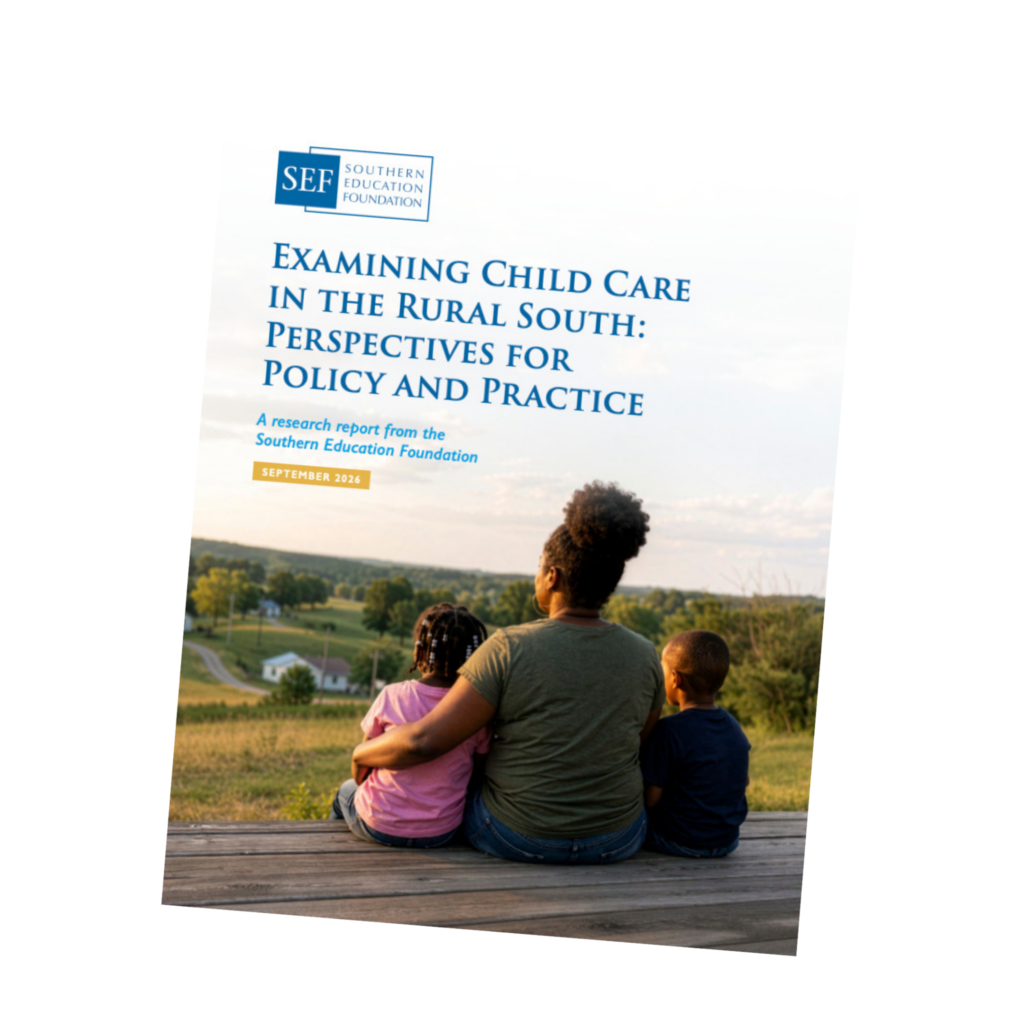
Families living in rural communities face a unique set of challenges when they’re trying to build healthy, well-rounded lives around employment and accessible, affordable, and high-quality child care.
Yet, relatively little is understood about how rural communities perceive and experience their child care systems. These questions are particularly important as state and federal decisionmakers consider solutions to persistent child care policy challenges. It’s critical that policymakers understand and focus on the Southern United States, where a significant proportion of young children live in rural areas and many experience poverty.
With the support of the Southern Education Foundation, GEEARS and partner researchers from Mississippi and Missouri conducted surveys, interviews, and focus groups in 12 rural communities. The subjects included rural families, providers and teachers, and community stakeholders such as business leaders. Through these respondents’ data and stories about their child care needs and aspirations, the research examined the workforce and community ecosystems that struggle to meet them. The findings below offer valuable insights to inform more responsive, locally grounded policymaking and strengthen efforts to support children, families, and the early childhood workforce at the state and federal levels.